Small bedrooms don’t have to feel cramped. The difference between a cluttered, claustrophobic space and an organized retreat comes down to how storage is handled. Every vertical inch, dead corner, and underutilized surface can be turned into functional space with the right approach. This guide digs into fifteen practical, field-tested storage solutions that maximize square footage without requiring a contractor or a full remodel. Whether someone’s working with a 10×10 bedroom or a tight attic conversion, these strategies deliver real results.
Table of Contents
ToggleKey Takeaways
- Smart storage for small bedroom design maximizes vertical space and unused areas, turning floor-limited rooms into organized retreats without requiring major renovations.
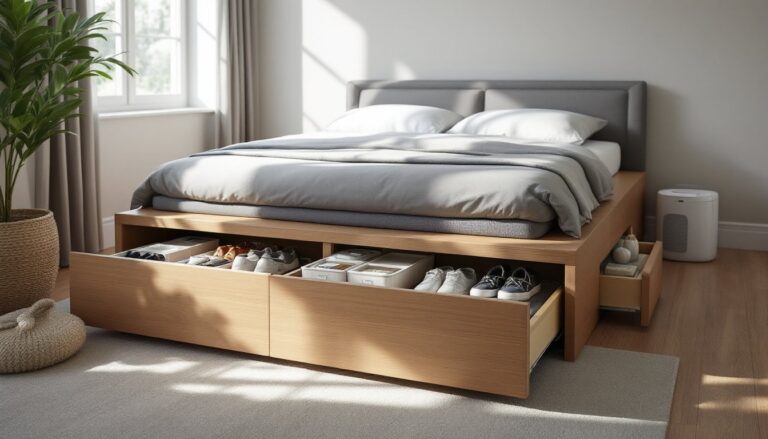
- Storage beds with built-in drawers or hydraulic lift-up frames provide the highest-impact single investment, adding 10–20 cubic feet of functional storage while preserving floor space.
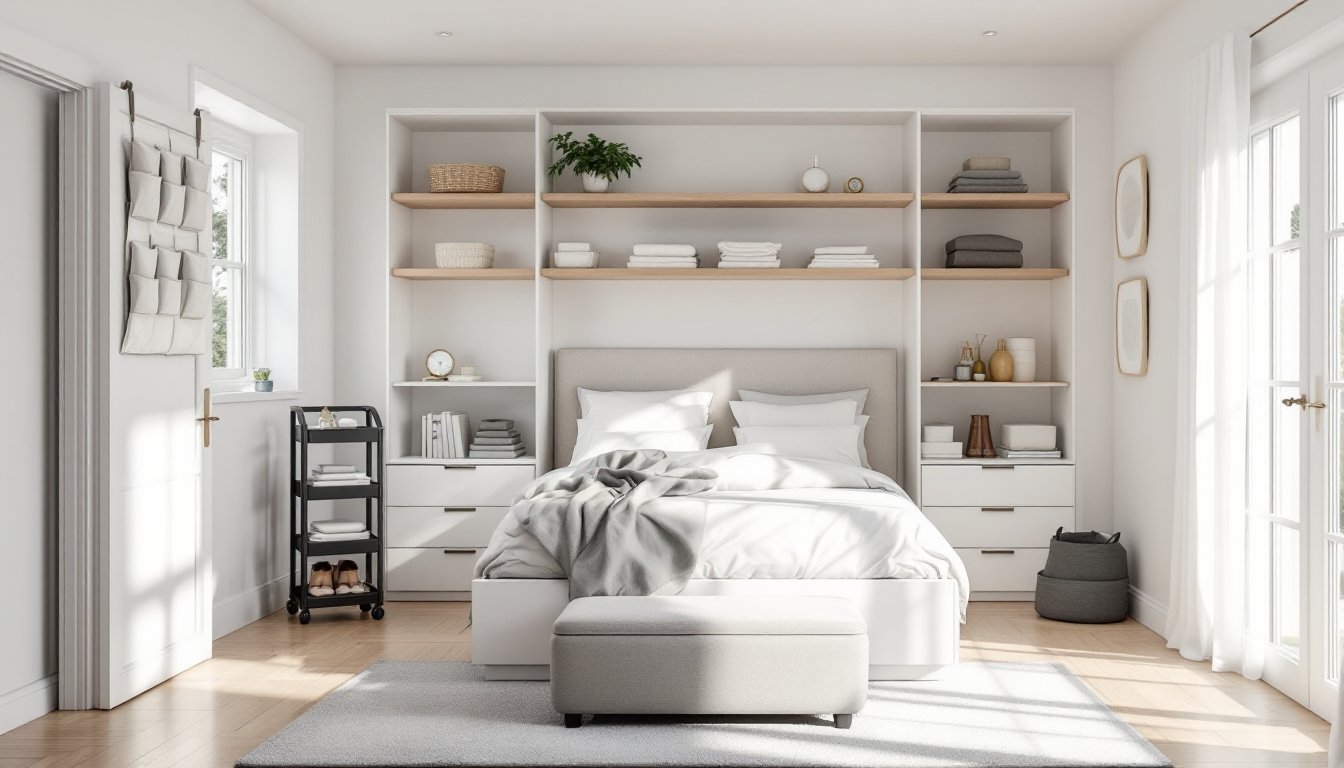
- Vertical solutions like tall bookcases, track shelving systems, and floating shelves anchored to studs can increase usable capacity by 15–20% compared to traditional single-level storage.
- Multi-functional furniture such as daybeds with trundles, wall-mounted desks, and storage benches eliminate the need for separate units, reducing visual clutter in tight spaces.
- Under-bed rolling bins, bed risers, and drawer systems transform wasted space into accessible storage for seasonal items, clothing, and off-season gear.
- Creative corner solutions including triangular floating shelves, ladder shelves, and pegboards behind doors reclaim dead zones that standard furniture cannot reach, maximizing every inch of a small bedroom.
Why Smart Storage Matters in Small Bedrooms
A bedroom under 120 square feet faces a fundamental challenge: every piece of furniture, every storage decision, directly impacts livability. Poor storage choices create visual clutter, block pathways, and waste functional space. Smart storage does the opposite, it opens up floor area, reduces visual noise, and makes daily routines easier.
The real cost of inadequate storage shows up in three ways. First, cluttered surfaces make cleaning harder and attract dust. Second, inaccessible storage (like deep closets with no shelving) means items pile up on chairs and dressers. Third, oversized furniture eats floor space without delivering proportional storage volume.
Effective small bedroom storage follows a simple principle: use all three dimensions. Floor space is limited, but wall height and furniture depth offer untapped potential. The goal isn’t to cram more stuff in, it’s to organize what’s already there so the room functions like a larger space. Planning storage around actual belongings (not theoretical needs) prevents over-building and keeps the room from feeling like a storage unit.
Before buying anything, measure the room, note ceiling height, and inventory what needs storing. A 10×12 bedroom with 8-foot ceilings has 960 cubic feet of potential storage volume, but most people use less than a third of that.
Vertical Storage Solutions That Work
Wall space is the most underused resource in small bedrooms. Going vertical frees up floor area while adding significant storage capacity. The key is securing everything properly, drywall anchors rated for 50+ pounds are necessary for shelving that holds books, bins, or folded clothes.
Tall bookcases anchored to wall studs provide immediate storage without custom work. A standard 6-foot tall unit holds roughly 30% more than a 4-foot version while occupying the same floor footprint. Look for units 12 to 14 inches deep, anything deeper intrudes into the room, anything shallower tips easily.
Track shelving systems (like wall standards with adjustable brackets) offer flexibility. They’re ideal for renters since they require minimal holes and adjust as needs change. Install standards into studs spaced 16 inches on center, and use brackets rated for the expected load. A 36-inch shelf with proper brackets handles 75 pounds comfortably.
Over-door organizers work for shoes, accessories, and folded items. The best designs use metal hooks that clear standard door stops and distribute weight across the door’s width, not just the top edge. Avoid cheap plastic versions, they sag and damage hollow-core doors.
Wall-Mounted Shelves and Floating Units
Floating shelves deliver a clean look but require solid attachment. They’re best for lightweight items, folded sweaters, decorative boxes, or small electronics. Installation into studs is non-negotiable: toggle bolts in drywall alone won’t hold more than 20 pounds per shelf.
For heavier loads, use cleats or French cleats. A French cleat system (two 45-degree beveled boards, one on the wall and one on the shelf) distributes weight across multiple studs and holds 100+ pounds easily. This approach works well for shallow cabinets or deep shelving near a bed.
Corner shelves address awkward angles that standard furniture can’t reach. Triangular floating units or stacked corner bookcases turn dead space into usable storage. Many people overlook the corners behind doors, a narrow corner shelf unit (8 to 12 inches per side) fits there without blocking door swing.
When mounting anything on drywall, locate studs with a stud finder (they’re typically 16 or 24 inches apart). Mark stud centers with painter’s tape before drilling. For installations between studs, use drywall anchors rated for the load, plastic expansion anchors fail quickly under dynamic loads. Metal toggle bolts or molly bolts are more reliable.
Multi-Functional Furniture for Space Efficiency
Furniture that serves double duty cuts down on the number of pieces needed. This matters in small bedrooms, where every item competes for limited floor space. The trade-off is usually cost, multi-functional furniture costs more upfront but eliminates the need for separate storage units.
Storage beds are the highest-impact single investment. Platform beds with built-in drawers, hydraulic lift-up frames, or full-size storage bed frames add 10 to 20 cubic feet of enclosed storage. Drawer-style beds work best for frequently accessed items like clothes or linens. Lift-up frames suit bulkier, seasonal storage, winter bedding, luggage, or archived documents. Be sure the lift mechanism is gas-assisted: manual lifts are awkward and prone to slamming.
Daybeds with trundles serve as seating during the day and guest beds at night. The lower trundle often includes drawers, adding extra storage. Look for solid wood or metal frames, particleboard units sag under repeated use.
Desks with integrated shelving or fold-down wall desks free up floor space. A wall-mounted desk (sometimes called a Murphy desk) folds flat when not in use and provides a work surface without occupying permanent square footage. Attach it to studs and ensure the hinge hardware is rated for the desk’s loaded weight.
Ottomans and storage benches placed at the foot of the bed offer seating and hidden storage for extra blankets, shoes, or accessories. Upholstered versions double as padded seating. Measure the available space carefully, most benches are 40 to 50 inches wide and need clearance for the lid to open.
Under-Bed and Hidden Storage Ideas
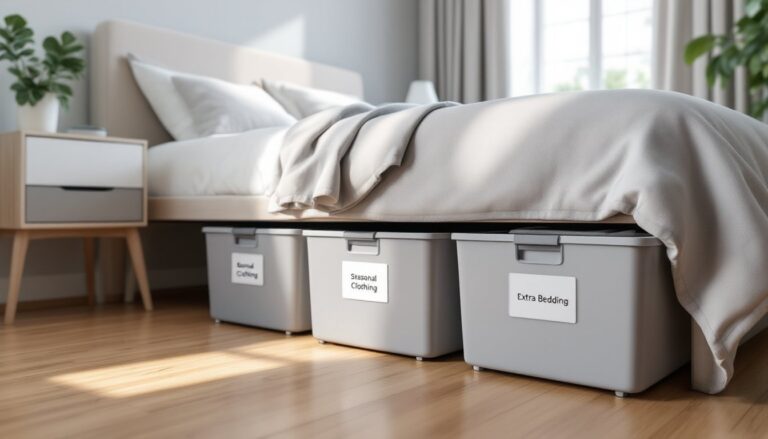
The space under a bed is often wasted. Standard bed frames sit 7 to 12 inches off the floor, creating a 10- to 15-cubic-foot void that’s perfect for flat storage. The challenge is keeping it organized and accessible.
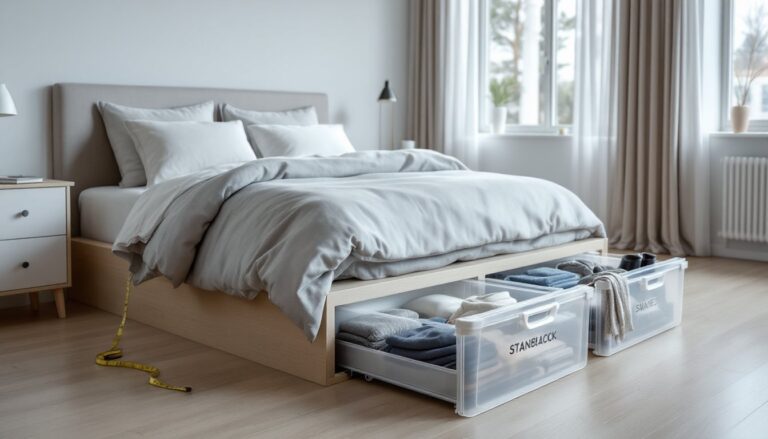
Rolling storage bins with lids keep items dust-free and easy to retrieve. Choose bins no taller than the bed’s clearance minus an inch, they should roll out smoothly without scraping the frame. Clear plastic bins make contents visible: fabric bins with labels work if the bedroom aesthetic matters more.
Bed risers increase clearance for taller bins or baskets. Standard risers add 3 to 6 inches of height and are available in stackable designs. Ensure they’re rated for the bed’s weight plus occupants, cheaply made risers crack under load. Some models include built-in outlets or USB ports, adding functionality without extra floor space.
Under-bed drawers on casters slide out like furniture drawers. These are ideal for clothes, shoes, or off-season items. Soft-close casters prevent the drawers from rolling out unexpectedly. Some designs use vacuum-sealed bags to compress bulky items like comforters, but be cautious, over-compression damages down and synthetic fill over time.
Bed skirts with pockets offer a low-profile alternative. They attach to the box spring and hang to the floor, with sewn-in pockets for shoes, books, or accessories. This approach works for renters who can’t modify the bed frame itself.
For hidden storage elsewhere, consider hollowed-out furniture. Nightstands with false bottoms, headboards with concealed compartments, or benches with lift-up seats add storage without visible clutter. Custom builds require basic carpentry skills but can be tailored to exact dimensions. Many creative storage approaches adapt ready-made furniture with minimal modifications.
Closet Organization and Door Storage Hacks
Most small bedroom closets are poorly configured. A single hanging rod and an upper shelf waste two-thirds of the available vertical space. Reconfiguring a closet doesn’t require major construction, adjustable systems and add-on organizers deliver significant gains.
Double-hang rods instantly double hanging capacity for shorter items like shirts, folded pants, and skirts. Install the upper rod at 80 inches (below the top shelf) and the lower rod at 40 inches. Each rod should be anchored into studs or supported by heavy-duty brackets rated for 50+ pounds.
Closet organizers with cubbies (wire or laminate systems) replace single rods with a mix of hanging space, shelves, and drawers. Brands like ClosetMaid, Rubbermaid, or IKEA’s PAX system offer modular components that adjust to closet width. Plan around hanging clothes first, then fill remaining space with shelving. Most systems mount to wall standards or directly into studs.
Shelf dividers keep folded stacks from toppling. Tension-mounted or clip-on dividers create vertical sections for sweaters, jeans, or purses. They’re especially useful on deep shelves where items get buried.
Door-mounted racks add storage without reducing closet interior space. Over-the-door shoe racks, hooks, or hanging organizers work for accessories, cleaning supplies, or shoes. Measure door clearance carefully, some organizers interfere with door closure if the frame is shallow. Studies on small space organization consistently show that vertical door storage increases usable capacity by 15-20%.
Hanging canvas shelves suspend from the closet rod and provide cubbies for shoes, bags, or folded clothes. They’re a no-tools solution for renters. Look for models with reinforced seams and rigid inserts that prevent sagging.
For narrow closets, slim storage solutions like rolling carts or narrow shelving units maximize tight spaces. A 6-inch-wide rolling cart fits between a dresser and wall, holding shoes or accessories without custom installation.
Creative Corner and Awkward Space Solutions
Small bedrooms often have dead zones, corners, nooks beside windows, or gaps between furniture and walls. These spaces are too small for standard furniture but too large to ignore.
Corner shelving units (five-tier metal or wood designs) fit into 90-degree corners and provide vertical storage for books, plants, or folded items. Most are 12 to 18 inches per side and assemble without tools. They’re stable when loaded but benefit from a wall anchor at the top to prevent tipping.
Floating corner desks turn an unused corner into a workspace or vanity. Triangle-shaped or L-shaped designs attach directly to studs on both walls. Ensure the bracket or cleat system supports the desk’s loaded weight, a laptop, monitor, and books can exceed 50 pounds.
Ladder shelves lean against a wall at an angle, creating tiered storage without permanent installation. They’re ideal for renters or anyone avoiding wall anchors. The footprint is small (roughly 18 inches deep at the base), and the angled design keeps items visible and accessible.
Nooks beside windows often go unused but can hold narrow bookcases, vertical file cabinets, or stacked storage cubes. Measure carefully, many windows have trim that reduces effective width. A 10-inch-deep shelving unit fits most window-side gaps without blocking light.
Behind-the-door space (the wall area hidden when a door opens) works for shallow hooks, narrow pegboards, or slim cabinets. This area is often ignored but offers 6 to 10 square feet of wall space. Install a pegboard with ¼-inch holes for adjustable hooks, baskets, or small shelves.
Rolling carts adapt to changing needs. A three-tier metal cart (12 to 18 inches wide) stores office supplies, toiletries, or craft materials and tucks into corners or closets when not needed. Many tiny home storage strategies apply directly to small bedrooms, especially in spaces under 100 square feet.
For awkward alcoves or sloped ceilings, custom-built shelving makes the most of irregular dimensions. A simple box-frame shelf (using 1×12 pine or plywood) cut to fit an alcove creates usable storage where ready-made furniture won’t fit. Secure it with L-brackets into studs or blocking. Finish with paint or stain to match the room.
Finally, don’t overlook the space above the door. A shallow shelf (8 to 10 inches deep) mounted above the door frame holds books, baskets, or decorative items. It’s out of the main visual line but adds storage without consuming wall or floor space. Ensure brackets anchor into the door frame header (usually solid wood) or adjacent studs for stability. Homeowners managing tight quarters will find that compact living strategies often translate well to small bedroom storage challenges.