
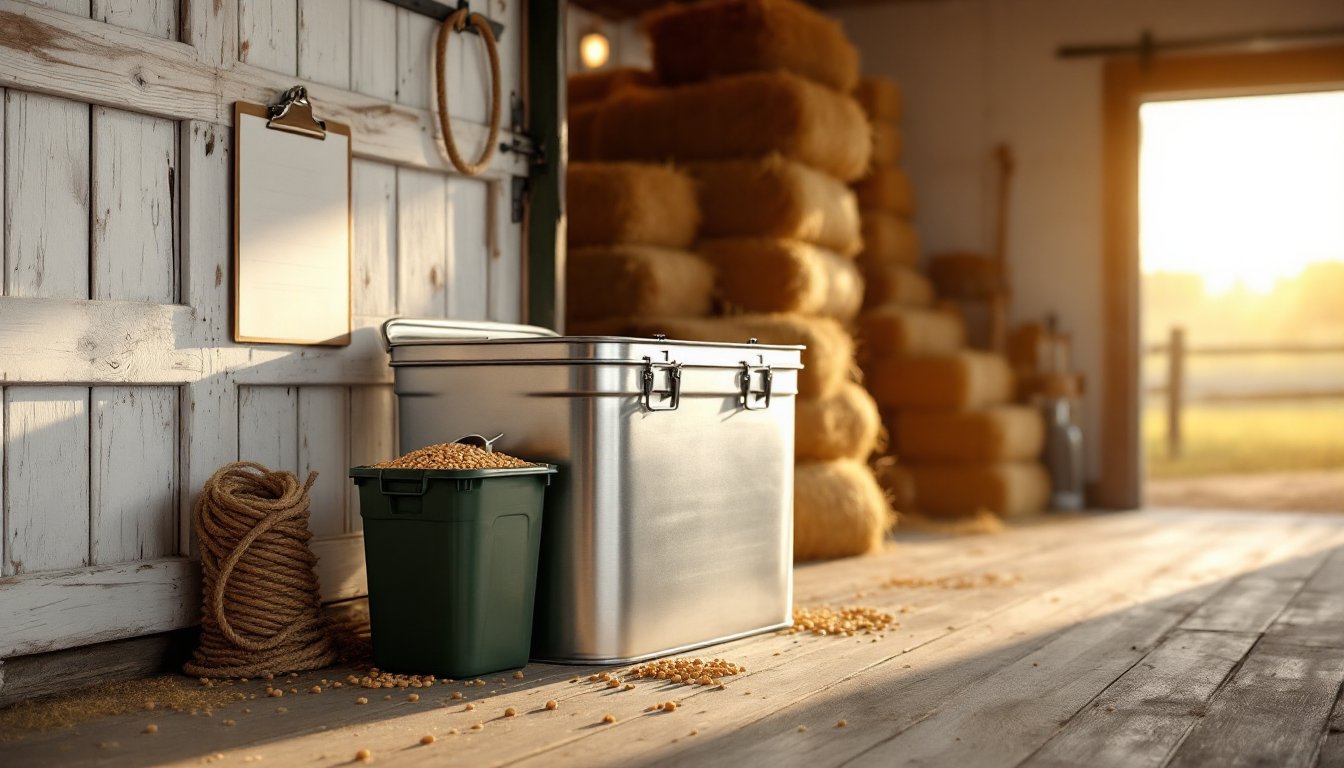
If you’ve ever dealt with spoiled feed, rodent damage, or the chaos of torn bags spilling across a barn floor, you already know why proper storage isn’t optional. Feed storage bins keep grain, pellets, and supplements dry, pest-free, and organized, which means healthier animals and less wasted money. Whether you’re managing a small backyard flock or a larger livestock operation, choosing the right bin comes down to capacity, material durability, and how well it protects against moisture and pests. This guide walks through the types, features, and setup strategies that actually work in real-world conditions.
Table of Contents
ToggleKey Takeaways
- Proper feed storage bins prevent spoilage, pest contamination, and mold growth that can cause illness in livestock while saving $75+ per season on wasted feed.
- Galvanized metal bins offer superior rodent resistance and outdoor durability, while plastic HDPE bins provide affordable lightweight alternatives best suited for indoor or low-pest environments.
- Airtight seals, proper capacity sizing (two-to-four-week supply), and pest-proof construction with locking mechanisms are essential features when choosing feed storage bins.
- Implementing FIFO (first in, first out) rotation, strategic labeling with fill dates, and regular moisture monitoring extend feed freshness and prevent cross-contamination between different feed types.
- Organized feed storage bins with dedicated zones, adequate shelving, and accessibility features reduce barn clutter, simplify inventory management, and streamline daily animal care routines.
Why Proper Feed Storage Matters for Your Animals and Budget
Feed degrades fast when exposed to humidity, temperature swings, or pests. Mold growth can introduce mycotoxins that cause illness or death in poultry, goats, and horses. Rodents don’t just eat the feed, they contaminate it with droppings and urine, spreading disease and making entire batches unusable.
Beyond health risks, poor storage hits your wallet. A 50-pound bag of layer pellets runs $15–$25 depending on your region and brand. Lose three bags a season to spoilage or varmints, and you’re out $75 or more. Multiply that across a year or a larger operation, and the cost of not investing in solid storage adds up fast.
Proper bins also simplify inventory management. Clear or labeled containers let you see what’s running low at a glance, so you’re not scrambling for emergency feed runs. If you’re mixing supplements or managing multiple feed types (starter, grower, layer), dedicated bins prevent cross-contamination and dosing errors. Organized storage solutions reduce time spent hunting for supplies and keep your barn or coop functional.
Types of Feed Storage Bins: Finding the Right Fit for Your Needs
Metal Feed Storage Bins
Galvanized steel bins are the workhorses of feed storage. They resist chewing from rodents and larger pests like raccoons, and they hold up to outdoor exposure without warping. Look for 20-gauge or thicker steel, thinner materials dent easily and may rust through at seams after a few seasons.
Most metal bins use a locking lid with a gasket to seal out moisture and pests. Check that the gasket is replaceable: cheap foam gaskets compress and crack within a year. Sizes range from 10-gallon countertop models (holding about 40 pounds of pellets) up to 100-gallon floor bins that store 400+ pounds of grain.
Downsides: Metal bins are heavy, especially when full, and they conduct temperature. In hot climates, direct sun exposure can heat the interior and accelerate feed degradation. Place them in shade or under a roof. Galvanized coatings can corrode in high-humidity coastal areas, consider powder-coated steel if salt air is an issue.
Plastic and Polyethylene Options
High-density polyethylene (HDPE) bins are lightweight, affordable, and won’t rust or corrode. They’re molded in one piece, so there are no seams to leak or crack. UV-stabilized plastic holds up outdoors, though cheaper versions will fade and become brittle after a couple of years in full sun.
Look for bins with thick walls (at least ⅛ inch) and a snap-lock or screw-top lid with a rubber seal. Thin-walled bins crack if knocked over or stepped on. Capacities typically range from 15 to 80 gallons. Some models include wheeled bases, which make moving 200+ pounds of feed possible without a hand truck.
Plastic bins don’t deter determined rodents. Mice and rats will chew through HDPE given time and motivation, especially along lid edges. If rodent pressure is high, either nest the plastic bin inside a wooden frame or invest in metal. For indoor use or low-pest environments, plastic delivers solid value at half the price of comparable metal bins.
Key Features to Look for in a Quality Feed Storage Bin
Airtight seals are non-negotiable. Feed absorbs moisture from the air, leading to mold and clumping. A good lid gasket keeps humidity out and preserves nutritional quality. Test the seal by closing the lid and trying to slide a piece of paper under the edge, if it pulls through easily, the seal isn’t tight enough.
Capacity matching prevents waste and staleness. Calculate weekly feed consumption, then size your bin to hold a two-to-four-week supply. Overfilling leads to feed sitting too long: underfilling means constant refill trips. For example, six laying hens eat roughly 1.5 pounds per day, or about 65 pounds per month. A 20-gallon bin (80-pound capacity) gives you buffer without letting feed age.
Wheels or handles matter if you’re moving bins for cleaning or reorganizing. A 50-gallon bin filled with grain weighs 200+ pounds, without wheels, you’re either emptying it first or recruiting help. Built-in handles should be reinforced, not thin plastic that snaps under load.
Pest-proof construction means tight-fitting lids, no gaps at the base, and materials rodents can’t chew. Some bins include built-in locks or latches that prevent raccoons from prying lids open. If wildlife is a concern, a simple barrel bolt or bungee cord won’t cut it, upgrade to a locking hasp.
Ease of cleaning gets overlooked until you need to scrub out feed dust and residue. Bins with removable lids and wide openings let you reach the bottom corners. Square or rectangular designs are easier to scrub than round barrels with tapered bases. Rinse bins at least twice a year and dry completely before refilling to prevent mold growth. Many home organization guides emphasize that regular cleaning cycles extend the life of storage containers and reduce contamination risks.
How to Organize and Maximize Your Feed Storage Space
Label everything. Use waterproof labels or a paint pen to mark each bin with contents and fill date. If you rotate between layer pellets, scratch grains, and medicated starter, clear labeling prevents mix-ups that can harm young or molting birds.
Carry out FIFO (first in, first out). When refilling, pour new feed on top only if the bin is nearly empty. Otherwise, transfer old feed to a temporary container, add new feed to the bottom, then pour the old feed back on top. This simple step keeps feed fresh and prevents the bottom layer from sitting for months.
Stack strategically. If floor space is tight, use shelving units rated for at least 200 pounds per shelf. Place heavier bins on lower shelves for stability. Smaller bins (supplements, treats, oyster shell) can go on upper shelves within easy reach. Avoid stacking bins directly on concrete floors in damp climates, use wooden pallets or plastic risers to allow airflow and prevent moisture wicking.
Dedicate zones. Group feed bins near your feeding station to minimize trips. Store supplements and medications separately to avoid cross-contamination. Keep a scoop or measured cup inside each bin so you’re not hunting for tools mid-chore. Hang a clipboard nearby to track inventory and note when to reorder.
Monitor for moisture. Even sealed bins can develop condensation if the feed was warm or humid when you filled them. Toss a desiccant pack (like those used in tool boxes) into each bin, or drill a small vent hole near the top and cover it with fine mesh to allow moisture escape without inviting pests. Check bins weekly for clumping, off odors, or visible mold, if you spot any, discard that batch. Testing strategies similar to those recommended by product reviewers can help you identify the best moisture control solutions for your climate.
Plan for expansion. If you’re adding animals or switching to bulk feed delivery, make sure your storage setup can scale. Modular bin systems let you add units without redesigning the whole space. Budget at least 10% extra capacity for seasonal fluctuations or emergency stockpiling.
Conclusion
Feed storage bins aren’t glamorous, but they’re one of the most practical investments you can make for livestock care. The right bin keeps feed fresh, cuts waste, and saves you from midnight trips to the feed store because a raccoon shredded your last bag. Prioritize airtight seals, pest-proof materials, and a capacity that matches your actual consumption. A little upfront planning and a solid bin setup will pay off in healthier animals and a cleaner, more organized operation.