
Day beds have come a long way from being the awkward furniture nobody knew how to style. Today’s versions combine a sofa’s flexibility with a bed’s functionality, and the best models add a third layer: storage. If you’re working with a spare bedroom, home office, or studio apartment where every square foot counts, a day bed with storage can eliminate the need for separate dressers, toy boxes, or seasonal storage bins. This guide walks through the configurations available, how to choose one that fits your room’s footprint, and ways to squeeze even more capacity out of your setup.
Table of Contents
ToggleKey Takeaways
- Day bed storage maximizes space in compact rooms by combining sleeping functionality with built-in drawers, cubbies, or trundle compartments that eliminate the need for separate furniture pieces.
- Choose between drawer-based designs (best for easy access with 75–100 lb weight capacity per drawer), trundle beds (dual-purpose sleeping and storage), or loft-style configurations that create walk-in closet space below.
- Solid wood or engineered wood frames outperform particleboard for longevity and durability, especially in kids’ rooms where daily use is heavy; always verify weight capacity ratings before purchase.
- Maximize vertical storage capacity by adding bookcase headboards, floating shelves above the mattress, or furniture risers to lift the frame higher and accommodate additional storage bins underneath.
- DIY upgrades like rolling drawer boxes, gas lift-top mechanisms, or attached IKEA drawer units can retrofit existing day bed storage frames affordably without full replacement.
- Verify room measurements (80–85 inches total including clearance), ceiling height (minimum 8 feet for loft styles), and weight distribution before selecting or modifying a day bed storage setup to ensure safe and functional installation.
What Is a Day Bed with Storage and Why You Need One
A day bed with storage is a twin-size bed frame (typically 38″ × 75″ nominal) designed to sit against a wall like a couch, with three sides enclosed by rails or panels. The storage component integrates compartments beneath the mattress platform, either as pull-out drawers, lift-top access, or space for roll-out bins.
Why it matters: A standard twin mattress sits about 6–8 inches off the floor on a basic frame, wasting roughly 19 cubic feet of potential storage. Day beds push that platform higher, usually 12–18 inches, to accommodate drawers or cubbies without feeling like you’re climbing into a bunk bed.
They’re particularly useful in:
• Guest rooms that double as home offices or craft spaces
• Kids’ bedrooms where toy storage is non-negotiable
• Studio apartments where furniture has to pull double or triple duty
• Bonus rooms over garages that lack closet space
Unlike a Murphy bed or sleeper sofa, a day bed stays ready for sleeping without conversion steps. You’re not folding, pulling, or rearranging cushions at 11 p.m. when a guest shows up. The trade-off is footprint: a day bed occupies floor space full-time, so it’s best for rooms where you can dedicate a wall.
Types of Day Bed Storage Configurations
Not all storage day beds are built the same. The mechanism you choose affects how easy it is to access what’s inside, how much weight the frame can handle, and whether you’ll need a second pair of hands for assembly.
Built-In Drawers and Pull-Out Compartments
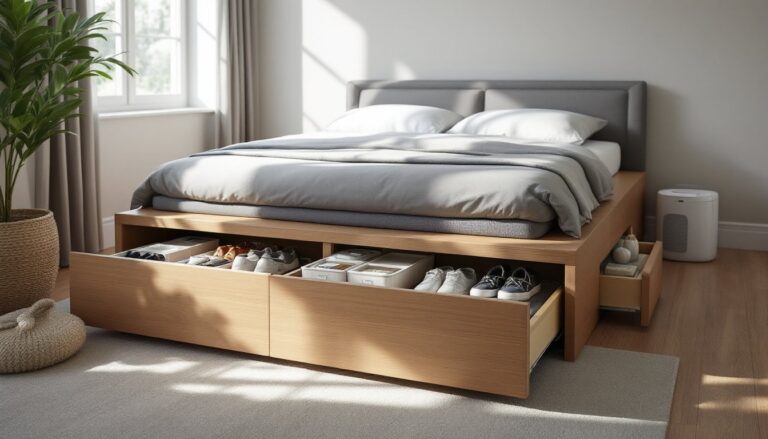
Drawer-based day beds mount two to four euro-style drawers on metal glides beneath the mattress platform. These typically measure 24–30 inches deep and 12–18 inches tall, enough for folded bedding, off-season clothes, or board games.
What to look for:
• Full-extension ball-bearing slides (rated for 75–100 lbs per drawer) make it easier to reach items at the back without kneeling on the floor.
• Dovetail joinery at drawer corners holds up better than stapled particleboard, especially if kids will be yanking them open daily.
• Drawer stops prevent the entire box from sliding out and dumping contents.
Most drawer units require 8–12 inches of clearance on one or both sides of the bed, so measure your room before ordering. If the day bed sits in a corner or tight nook, drawers won’t open fully, or at all.
Some models use open cubbies instead of enclosed drawers. These work with fabric bins or wicker baskets and don’t need side clearance, but dust accumulates faster and the look is more casual.
Trundle Beds and Under-Bed Storage
A trundle is a low-profile secondary mattress (usually 4–6 inches thick) that rolls out on casters from beneath the day bed. It’s not technically storage, but when the trundle isn’t occupied, the cavity becomes a long, shallow compartment.
Pros:
• Sleeps two without a bunk bed’s height
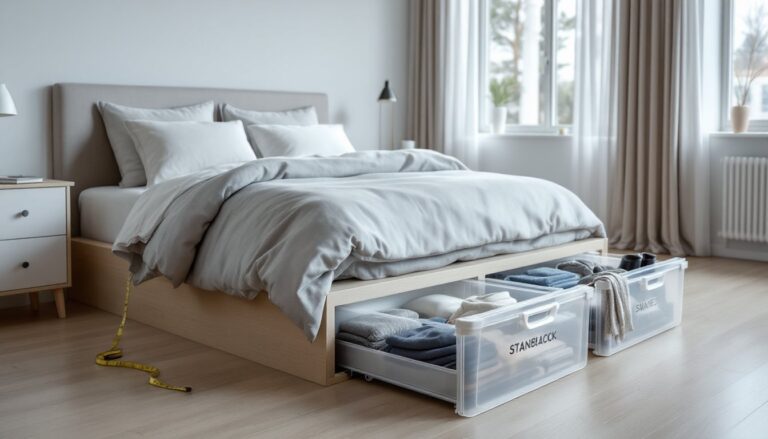
• The trundle cavity is wide enough for under-bed storage bags (the vacuum-seal kind) holding comforters or winter coats
• No drawer hardware to maintain
Cons:
• You lose the space when the trundle is pulled out for sleeping
• Dust bunnies thrive in open trundle cavities
• Some trundles don’t lift high enough to match the main mattress height, so stacking them for a king-size sleeping surface doesn’t work well
If you opt for a trundle and plan to use it for storage instead of sleeping, consider swapping the mattress for a shallow rolling platform loaded with bins. Many woodworking plans show how to build a simple plywood tray on casters.
Choosing the Right Day Bed Storage for Your Room
Start by measuring the wall where the day bed will sit. You need the full 75-inch length plus any clearance for drawer pulls or side rails, budget 80–85 inches total. Check baseboard depth: some day beds sit flush only if you notch or remove a section of trim.
Next, measure ceiling height if you’re considering a loft-style day bed with storage underneath. These raise the sleeping surface to 48–60 inches, creating a walk-in closet or desk nook below. They’re popular in dorm rooms and tiny homes, but require a ceiling height of at least 8 feet to avoid a claustrophobic feel. Installation usually involves anchoring the frame to wall studs with 3-inch lag bolts rated for the combined weight of the structure, mattress, and occupant, check your local building codes if you’re DIY-ing this.
Material matters for longevity:
• Solid wood frames (pine, oak, or poplar) handle daily use in kids’ rooms better than particleboard or MDF, which sag under repeated weight.
• Metal frames with welded joints are nearly indestructible but transmit noise, every shift on the mattress echoes through the frame.
• Engineered wood (plywood or Baltic birch) hits a middle ground on cost and durability, especially if the frame uses dado joints and wood glue rather than cam-lock fasteners.
Weight capacity varies. Most day beds support 250–400 lbs on the sleeping surface and 50–75 lbs per drawer. If the bed will see regular adult use or house heavy items like textbooks or tools, confirm the rating before purchase.
Maximizing Storage Capacity in Small Spaces
Even a well-designed day bed leaves vertical space unused. Here’s how to capture it:
Add a headboard with shelving. A bookcase headboard, either built-in or freestanding, turns the wall behind the bed into 12–24 inches of depth for books, alarm clocks, or decorative bins. If you’re building one, use ¾-inch plywood for shelves and space them 10–12 inches apart to fit standard storage cubes.
Install floating shelves above the bed. Mount them at least 36 inches above the mattress so sitting up doesn’t result in a head injury. Use #8 screws into studs or toggle bolts rated for 50 lbs if you’re hanging between studs. This is where you stash items you don’t need daily, extra pillows, out-of-season decor, or luggage.
Use risers to lift the frame higher. Furniture risers (available in 2-, 4-, or 6-inch heights) slip under each leg of a day bed, creating additional under-bed clearance for flat storage bins. Make sure risers are rated for the bed’s total weight and that the added height doesn’t make the mattress awkward to get into. This works best for adult guest rooms, not kids’ spaces where falls are a concern.
Swap the mattress for a thinner profile. A standard twin mattress is 8–10 inches thick: a 6-inch memory foam or hybrid mattress frees up 2–4 inches of vertical space inside drawer compartments without sacrificing comfort for occasional guests. Don’t go thinner than 6 inches if the bed sees nightly use, pressure points become an issue.
These space-saving strategies apply to any compact bedroom setup. The goal is to treat every surface, horizontal and vertical, as potential storage real estate.
DIY Day Bed Storage Hacks and Upgrades
If you already own a basic day bed frame or inherited one, retrofitting storage is more affordable than replacing the whole unit.
Build rolling drawers from scratch. Cut ½-inch plywood to fit the cavity under your existing frame, add 2-inch swivel casters to the bottom, and attach a rope handle to the front edge. No slides, no hardware, just a box on wheels. Sand all edges and apply two coats of polyurethane to prevent splinters. Detailed plans for similar projects are available at Fix This Build That, where drawer dimensions can be customized to your frame.
Attach IKEA drawer units to the side. Freestanding drawer towers (like the ALEX or MALM series) can be positioned alongside a day bed and anchored to the frame or wall with L-brackets. This works if your day bed has open space beneath but no built-in storage. The result looks intentional and adds 3–6 drawers without carpentry.
Install a lift-top mechanism. Gas lift struts (the same hardware used on truck bed covers) can convert a solid platform day bed into a hinged lid with cavernous storage below. You’ll need:
- Two 60–100 lb gas struts with mounting brackets
- Piano hinge running the full width of the mattress platform
- Finger-joint safety brackets to prevent the lid from slamming shut
This is an intermediate build, you’re removing the existing platform, reinforcing the frame with 2×4 cross braces, and reattaching the platform on hinges. The Handyman’s Daughter has step-by-step tutorials for similar lift-top projects. Wear safety glasses and use a drill with magnetic bit holder to keep hardware from rolling under the bed mid-install.
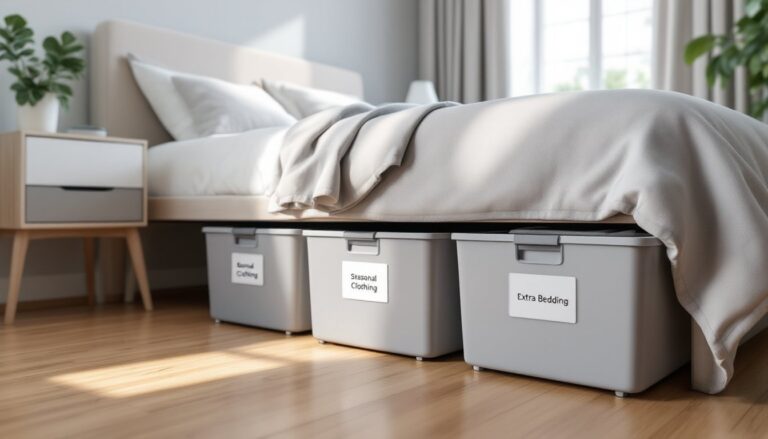
Add fabric skirts with hidden bins. If your day bed has legs but no solid base, a box-pleat bedskirt hides rolling storage bins while keeping the under-bed area accessible. Use industrial-strength Velcro to attach the skirt to the frame so it doesn’t shift. This is the fastest no-tools hack for renters.
For frames that support the modification, consider upgrading to a full-size storage platform if the room dimensions allow. Full-size frames (54″ × 75″) offer wider drawer boxes and better weight distribution for heavier storage loads.
Safety note: Any modification that changes how weight is supported, like cutting into the frame or removing cross braces, can compromise structural integrity. If you’re unsure whether your frame can handle the change, consult the manufacturer’s specs or a structural engineer. This is especially important for lofted builds or frames that will support adults.