Small spaces demand smart furniture. A loveseat sofa bed with storage isn’t just a place to sit, it’s a tactical solution that handles seating, sleeping, and stashing in one footprint. For anyone juggling a home office, guest room, or studio apartment, this triple-threat piece of furniture solves the space equation without requiring a wall tear-down or a contractor’s invoice. Whether you’re furnishing a basement family room or a micro-apartment, understanding what separates a decent convertible from a regret purchase comes down to mechanism quality, storage layout, and honest expectations about comfort.
Table of Contents
ToggleKey Takeaways
- A loveseat sofa bed with storage consolidates seating, sleeping, and storage into one unit, saving 50–70% of the floor space required for three separate pieces of furniture.
- Prioritize kiln-dried hardwood frames, steel conversion mechanisms with reinforced joints, and at least 500-pound weight capacity when selecting a loveseat sofa bed to ensure durability beyond a few years of use.
- Choose a mattress at least 5 inches thick with high-density foam (1.8 lbs/cubic foot or higher) and a removable, washable cover to maximize sleeping comfort and hygiene.
- Pull-out storage accessed via side drawers or bins suits frequent access, while lift-top compartments work best for seasonal storage; vacuum-seal bags can compress bulky bedding to one-third its original volume.
- Position your loveseat sofa bed perpendicular to the longest wall in studios or offices, allowing at least 48 inches of clearance in front for pull-out mechanisms and verifying doorway dimensions before delivery.
- Style with performance fabrics in mid-tone or dark colors to hide wear, anchor the space with an appropriately sized area rug, and keep surrounding furniture modular and mobile to maintain operational flexibility.
Why Choose a Loveseat Sofa Bed with Storage?
The loveseat sofa bed with storage isn’t trying to be three separate pieces of furniture, it is three pieces occupying the same floor space. That matters when you’re working with 400 square feet or trying to keep a bonus room functional for both kids’ movie night and overnight guests.
Space efficiency is the primary driver. A standard loveseat occupies roughly 58–65 inches of wall length. Add a twin bed frame (typically 75 inches long) and a storage ottoman or dresser (another 30–40 inches), and you’ve consumed half a small room. A storage loveseat sofa bed condenses that footprint into one unit, freeing up circulation space and eliminating the visual clutter of multiple furniture pieces.
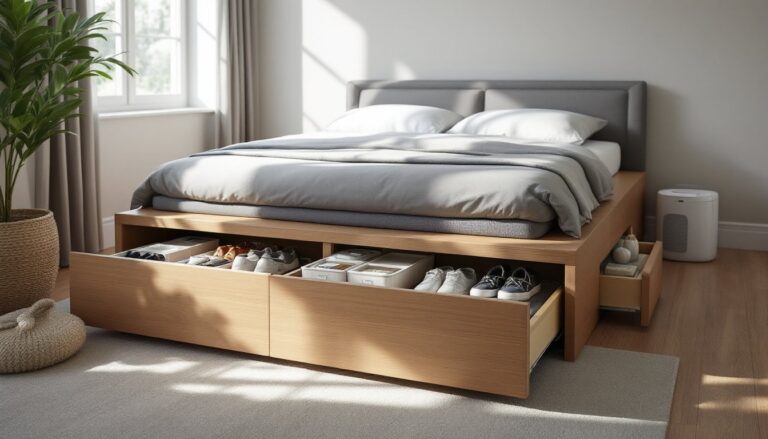
The storage component handles what usually ends up piled in closets or under beds: extra bedding, throw pillows, seasonal textiles, or board games. Built-in storage compartments, whether lift-top, side-drawer, or under-seat, keep these items accessible without dedicating separate square footage to shelving units.
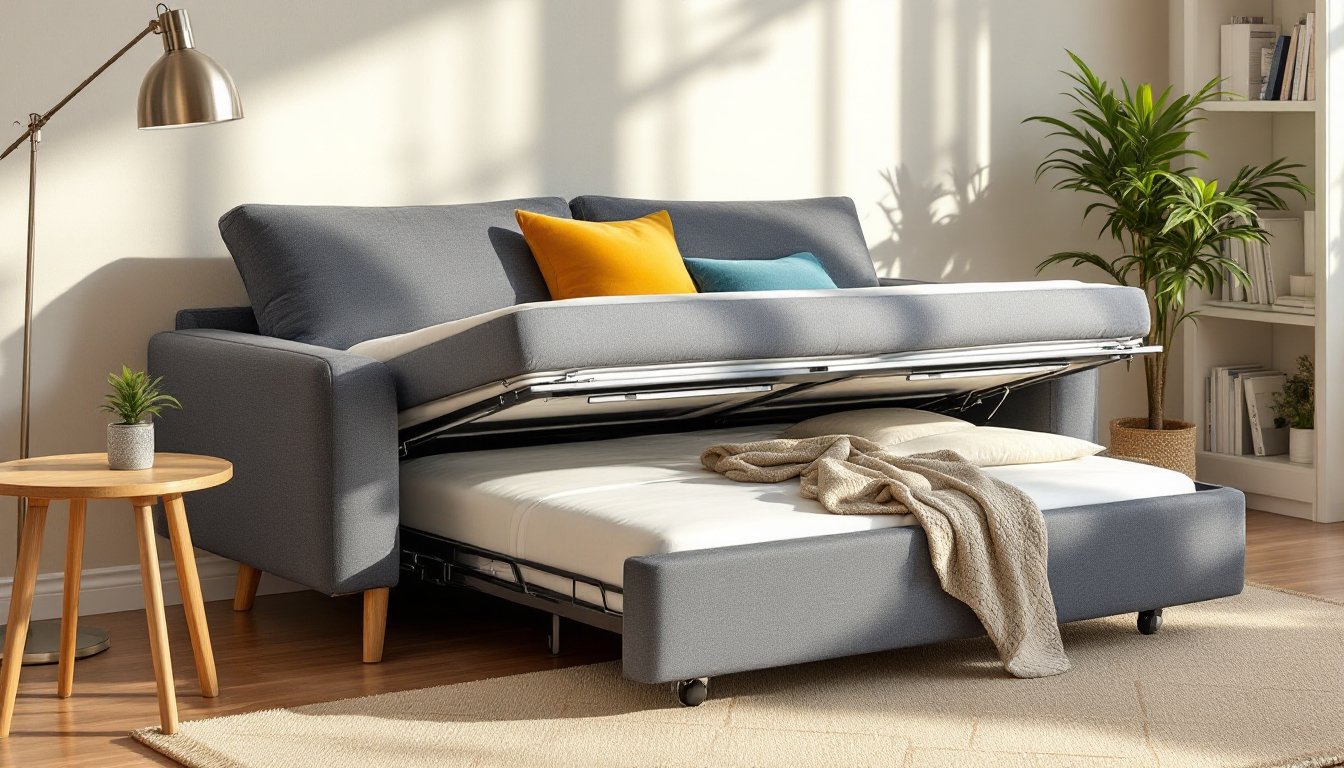
Guest-readiness becomes instantaneous. Instead of dragging a mattress from a closet or inflating an air bed with a noisy pump at 11 p.m., the conversion mechanism (typically a pull-out or fold-down design) deploys a sleeping surface in under two minutes. That’s a practical advantage for unplanned visits or when aging parents need a ground-floor sleeping option.
Finally, budget consolidation plays a role. Purchasing a quality sofa, a guest bed, and storage furniture separately can easily run $1,500–$3,000. A well-constructed loveseat sofa bed with storage typically ranges $600–$1,800, depending on materials and mechanism type. You’re not sacrificing quality, you’re eliminating redundancy.
Key Features to Look for in a Storage Loveseat Sofa Bed
Not all convertible loveseats are built the same. The difference between a piece that lasts a decade and one that sags in eighteen months comes down to frame construction, mechanism durability, and storage access design.
Frame material should be kiln-dried hardwood (maple, oak, or birch) or engineered wood rated for furniture-grade use. Avoid frames made entirely from particleboard or softwoods like pine, which compress under repeated stress. Look for corner blocks (triangular wood braces) or metal L-brackets at joints, these prevent racking (side-to-side wobble) when the sofa bed is opened and closed repeatedly.
The conversion mechanism determines long-term reliability. Pull-out frames (where the bed slides forward on a track) should have steel rails and reinforced cross-members. Budget models use thin gauge steel that bends after a few dozen uses. Fold-down mechanisms (where the backrest reclines flat) rely on hinge strength, look for metal hinges with at least three mounting points per side. Avoid plastic locking clips: they fail fast.
Weight capacity is often listed only for the sofa mode, not the bed mode. A loveseat sofa bed should support at least 500 pounds when fully extended, that accounts for two sleepers plus the mattress weight. Check manufacturer specs or reviews for sag complaints, which signal inadequate support slats or a weak center bar.
Storage Capacity and Configuration
Storage volume varies wildly. Lift-top storage (accessed by raising the seat cushion) typically offers 4–8 cubic feet, enough for two queen-size comforters, four pillows, or a dozen throws. Side-drawer configurations provide less volume (2–4 cubic feet per drawer) but allow easier access without removing seat cushions. Under-seat pull-out bins offer the most capacity (up to 10 cubic feet) but require floor clearance and can be awkward to access if the sofa sits close to a wall.
Consider access frequency. If you’re storing items used weekly (like kids’ craft supplies or workout mats), side drawers or pull-out bins beat lift-top designs. For seasonal storage (guest bedding, holiday decor), lift-top works fine since you’re not digging in there constantly.
Compartment dividers or removable bins keep storage organized. Without them, blankets and pillows turn into a jumbled mess that requires a full excavation to find one item. Some models include fabric-lined compartments or cedar inserts to protect textiles from moisture and pests, a worthwhile feature if you’re storing wool blankets or down comforters.
Mattress Quality and Sleeping Comfort
The weakest link in most sofa beds is the mattress. Standard pull-out mechanisms use a 4–5 inch thick mattress, barely thicker than a camping pad. That’s tolerable for one night, miserable for three.
Look for a mattress at least 5 inches thick with a high-density foam core (1.8 lbs/cubic foot or higher). Memory foam toppers help, but they can’t fix a mattress with inadequate support. Some manufacturers offer innerspring options (thin coil layers) which provide better airflow and edge support than all-foam designs.
Fold-down loveseats (where cushions remain in place and serve as the mattress) offer thicker sleeping surfaces, often 6–8 inches, but create a seam down the middle where the backrest meets the seat. That seam is noticeable. If you’re side-sleeper or shift positions frequently, it’ll wake you up.
Mattress covers should be removable and washable. Spills, pet dander, and body oils accumulate fast on a surface that pulls double duty. Zippered covers with machine-washable fabric save you from expensive upholstery cleaning or premature replacement.
Test the bed mechanism in the store if possible. Open and close it three times. If it binds, squeaks, or requires two people to operate, keep shopping. A mechanism that’s stiff when new will only get worse with use. Enthusiasts converting IKEA furniture for multi-use often reinforce sofa bed frames with additional brackets, a sign that out-of-the-box construction doesn’t always hold up.
Best Rooms and Layouts for Loveseat Sofa Beds with Storage
Placement isn’t just about aesthetics, it’s about clearance, access, and traffic flow. A loveseat sofa bed needs operational space that a standard loveseat doesn’t.
Home offices and multipurpose rooms are prime candidates. A loveseat sofa bed against a 10-foot wall leaves room for a desk, shelving, and the 40–50 inches of floor space required when the bed is extended. This setup keeps the office functional by day and converts to a guest room without relocating furniture. Many homeowners adopting affordable sleeper options choose compact models that balance work and guest needs.
Studio apartments benefit when the loveseat sofa bed is positioned perpendicular to the longest wall, creating a visual separation between sleeping and living zones. Avoid placing it under a window, you’ll lose natural light when the bed is deployed, and curtains become inaccessible.
Basements and finished attics work well if headroom and egress meet local building code (IRC requires at least one egress window in sleeping rooms, with minimum dimensions of 5.7 square feet of opening). A loveseat sofa bed in a basement family room keeps the space open for activities but accommodates overnight guests without dedicating a room to a seldom-used bed.
Avoid narrow hallways or tight corners. Most loveseat sofa beds ship in one piece and won’t navigate a 32-inch doorway or 90-degree turn without removal of legs or backrest. Measure doorways, stairwells, and hallways before ordering. Actual dimensions (not just the listed product size) matter, add 3–4 inches to width and height to account for packaging and maneuvering clearance.
Wall clearance is non-negotiable for pull-out mechanisms. Allow at least 48 inches from the front edge of the loveseat to the nearest obstacle (coffee table, opposite wall, TV stand). Fold-down models need less forward clearance but require space behind the unit if the backrest reclines fully flat.
How to Maximize Storage in Your Loveseat Sofa Bed
Built-in storage is only useful if it stays organized. Without a system, it devolves into a black hole of tangled sheets and mystery items.
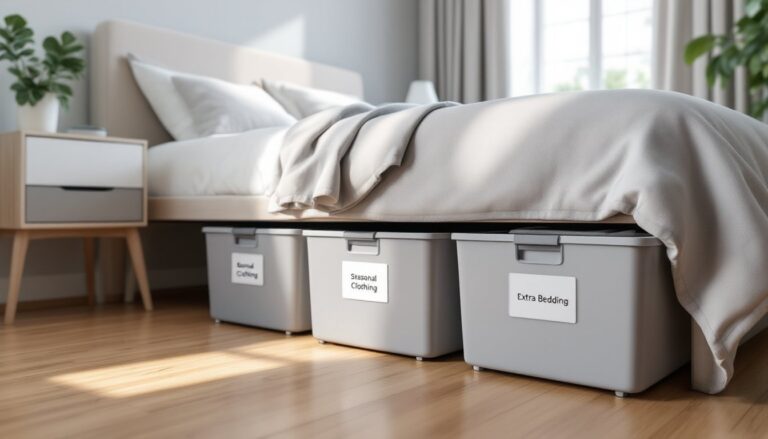
Use vacuum-seal bags for bulky bedding. A queen-size comforter compresses to one-third its original volume, freeing up space for pillows or extra blankets. Label each bag with contents and date, vacuum-sealed items can sit for months without issue, but you’ll forget what’s inside.
Fabric bins or baskets work well in lift-top compartments. Choose bins with handles for easy removal. Small-space advocates at Apartment Therapy frequently recommend modular storage inserts to keep compartments from becoming cluttered.
Seasonal rotation keeps the most-used items accessible. Store lightweight throws and pillows in summer: swap for heavy quilts in winter. This rotation prevents overstuffing and keeps the storage compartment from straining hinges or lift mechanisms.
Add shelf liners or drawer liners to protect fabric from splinters or rough wood surfaces. Cedar liners deter moths and add a fresh scent, important if you’re storing wool or cashmere.
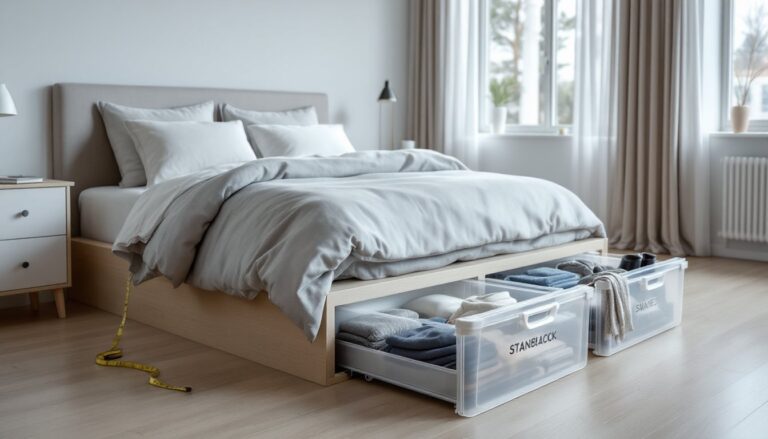
Avoid overloading. Most storage compartments are rated for 30–50 pounds. Exceeding that stresses hinges, warps the frame, and makes opening the compartment a two-person job. If you’re tempted to cram in more, get a separate storage ottoman or under-bed bins elsewhere in the room.
Styling Your Space Around a Multi-Functional Loveseat
A loveseat sofa bed with storage is utilitarian by design, but that doesn’t mean it has to look like dorm furniture. Styling comes down to fabric choice, accent coordination, and spatial balance.
Upholstery durability matters more than aesthetics. Performance fabrics (polyester blends with stain-resistant coatings) hold up to repeated use better than linen or cotton. If you’re hosting guests monthly, expect the fabric to take a beating. Leather or faux leather resists spills and pet damage but can feel sticky in warm weather.
Color selection should account for dual use. Light neutrals (beige, gray, soft blue) keep a room feeling open but show stains. Darker tones (charcoal, navy, brown) hide wear but can make a small room feel closed-in. Mid-tone fabrics with subtle patterns (herringbone, small geometric prints) camouflage minor stains while maintaining visual interest.
Accent pillows add personality without committing to bold upholstery. Swap pillows seasonally, linen or cotton in summer, velvet or faux fur in winter. Store off-season pillows in the loveseat’s built-in compartments.
Area rugs anchor the loveseat and define the seating zone, but make sure the rug extends beyond the footprint of the extended bed. A rug that’s too small makes the room feel disjointed. Allow at least 12 inches of rug beyond the bed’s foot when fully deployed.
Lighting placement requires flexibility. A floor lamp behind the loveseat works for reading but may need repositioning when the bed is in use. Consider swing-arm wall sconces or ceiling-mounted fixtures that don’t interfere with either mode.
Keep the coffee table lightweight and mobile. A heavy wood table that requires two people to move defeats the purpose of quick conversion. Nesting tables or a lightweight ottoman on casters can be pushed aside in seconds.
Multi-functional furniture works best when the space around it is equally adaptable. Avoid anchoring the room with bulky pieces that limit reconfiguration. Modular shelving, stackable storage, and furniture on casters maintain flexibility while keeping the room from feeling temporary or unfinished.
A loveseat sofa bed with storage won’t solve every space challenge, but it handles the big three, seating, sleeping, stashing, without the footprint or budget of separate pieces. Choose one built for repeated use, organize the storage with intention, and position it where operation doesn’t require a furniture shuffle. Done right, it’s one of the hardest-working pieces in a small home.