
Small bedrooms don’t have to mean sacrificing functionality or dealing with clutter. A twin low loft bed with storage combines sleeping space with built-in organization, freeing up precious square footage while keeping clothes, toys, and essentials within reach. Unlike traditional loft beds that require a ladder and climb near the ceiling, low loft designs sit closer to the ground, typically 3 to 4 feet high, making them safer for younger kids and easier to integrate into rooms with standard 8-foot ceilings. The real advantage? The space underneath transforms into a customizable storage zone that eliminates the need for bulky dressers or freestanding shelving units.
Table of Contents
ToggleKey Takeaways
- A twin low loft bed with storage maximizes small bedrooms by freeing up 12 to 15 square feet while providing built-in organization for clothes, toys, and essentials.
- Low loft designs sit 36 to 50 inches high—safer and more accessible than traditional loft beds—making them ideal for kids as young as six and fitting standard 8-foot ceilings.
- Integrated storage options like full-extension drawers, adjustable shelves, and cubbies cost $400 to $900 total, saving money compared to purchasing a bed frame, dresser, and bookshelf separately.
- Quality twin low loft bed frames use solid wood with mortise-and-tenon joinery or welded metal joints and include guardrails rising at least 5 inches above the mattress per CPSC safety standards.
- Measure ceiling height (at least 7 feet needed), evaluate existing storage capacity, and allow 18 to 24 inches for drawer pull-out space before committing to a layout.
- DIY customizations like pull-out bins, pegboard panels, fold-down desks, and LED lighting further optimize storage without requiring a complete frame rebuild.
What Is a Twin Low Loft Bed With Storage?
A twin low loft bed with storage is an elevated bed frame designed to place the sleeping surface approximately 36 to 50 inches off the floor, creating usable space underneath. The frame supports a standard twin mattress (39″ x 75″), and the area below incorporates storage features like drawers, shelves, or cubbies rather than leaving it open or using it as a play zone.
The “low loft” distinction matters. Standard loft beds elevate the mattress 5 to 6 feet high, which works in dorms or high-ceilinged rooms but feels cramped in typical residential bedrooms. Low loft designs keep the sleeping area accessible without a steep climb, making them practical for kids as young as six and appealing to teens or adults in studio apartments.
Most frames use solid wood (pine, birch, or oak) or metal tubing with cross-bracing for lateral support. Check that the design includes guardrails on all open sides, these should rise at least 5 inches above the mattress top per Consumer Product Safety Commission (CPSC) guidelines. Weight capacity varies, but quality frames handle 250 to 400 pounds, accounting for the sleeper, mattress, and any items stored below.
Key Benefits of Adding Storage to Low Loft Beds
Reclaimed floor space is the primary payoff. A low loft bed eliminates the footprint of a separate dresser or bookshelf, opening up room for a desk, reading nook, or simply more breathing room in tight quarters. In a 10′ x 10′ bedroom, swapping a standard twin bed plus a 3-drawer dresser for a loft-and-storage combo can free up 12 to 15 square feet.
Improved organization comes built-in. Drawers and shelves placed directly under the bed keep frequently used items accessible without requiring kids (or adults) to dig through closets or under-bed storage bins. This setup works especially well for seasonal clothing rotation, summer clothes in lower drawers, winter gear up top.
Cost efficiency adds up over time. Purchasing a loft bed with integrated storage typically costs $400 to $900 for a solid wood or metal frame, compared to buying a basic bed frame ($150–$250) plus a dresser ($200–$500) and bookshelf ($100–$200) separately. Material quality and finish affect pricing, but the all-in-one approach usually saves money and assembly time.
Safety advantages over traditional loft beds include easier access for changing sheets, checking on younger sleepers, and reducing fall risk. The lower height also means less impact if a child does roll off, though guardrails should always be in place and properly secured.
Storage Options and Configurations
Built-In Drawers and Shelving
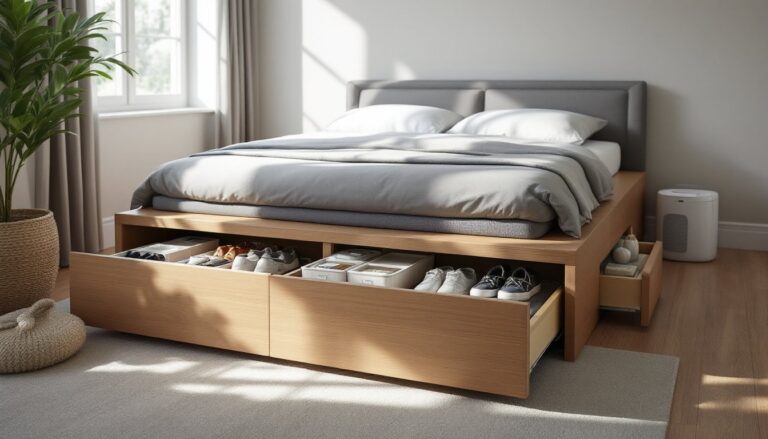
Drawers offer the most protected storage, keeping contents dust-free and out of sight. Look for frames with full-extension drawer slides rated for 75+ pounds, cheaper side-mount slides bind or derail when fully loaded with jeans and sweatshirts. Drawers typically run 24 to 30 inches wide and 14 to 16 inches deep, sized for folded clothing, bedding, or toys.
Some designs incorporate a mix of drawer sizes: two or three deep drawers on one side for bulkier items, plus narrow drawers or open cubbies on the other for books and small items. Verify that drawer fronts have finger pulls or recessed handles, knobs protruding into a narrow bedroom pathway become shin hazards.
Open shelving units work well for displaying books, bins, or decorative storage boxes. Adjustable shelves add flexibility as storage needs change, but fixed shelves provide more structural rigidity. If the frame includes a bookcase-style tower at one end, confirm it’s anchored to the bed frame and that the unit includes a wall-anchoring bracket to prevent tip-over (required for any furniture over 27 inches tall per ASTM F2057 standards).
Many builders appreciate the furniture plans available for custom configurations, allowing them to tailor shelf spacing and drawer depth to specific needs.
Underbed Cubbies and Baskets
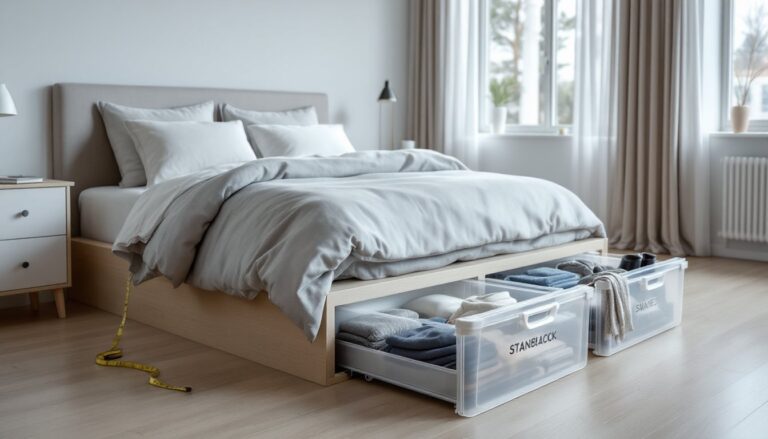
Cubbies are open compartments, usually 12 to 15 inches square, ideal for fabric bins, wicker baskets, or plastic storage boxes. They’re easier to build than drawer boxes, just dividers between vertical supports, and cheaper to execute. The trade-off: contents are visible and collect dust unless you use lidded bins.
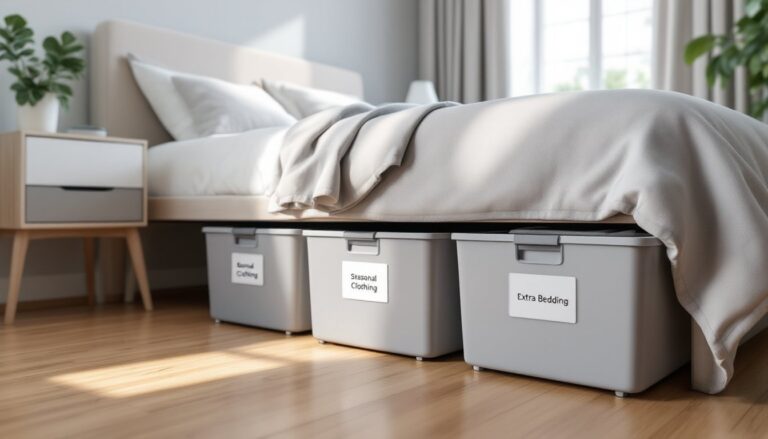
Basket systems pair with cubby openings or hang from the bed frame’s side rails. Canvas or felt bins slide in and out easily and soften the look of raw wood or metal frames. Label each basket (or use color-coding) so kids can maintain the system without constant reminders.
For a full-size alternative, homeowners with older teens or adults might consider a larger frame with similar storage features.
Some frames feature a combination setup: drawers on one side, cubbies on the other. This hybrid approach balances concealed storage for clothing with easy-access spots for everyday items like backpacks, sports gear, or art supplies. Before committing to a configuration, measure what you’re actually storing. Twelve-inch cubbies won’t fit adult-sized shoeboxes or rolling storage carts, which often need 13 to 14 inches of clearance.
How to Choose the Right Twin Low Loft Bed for Your Space
Measure your ceiling height first. With a low loft bed placing the sleeping surface around 42 inches high and a mattress adding 8 to 12 inches, the top of the mattress sits roughly 50 to 54 inches off the floor. Add a seated child’s height (another 24 to 30 inches for kids ages 6 to 12), and you need at least 7 feet of clearance to avoid bonked heads. Standard 8-foot ceilings work, but 7-foot ceilings (common in basements) don’t.
Evaluate the storage capacity relative to what you’re replacing. Count how many drawers or linear shelf feet you’re eliminating from the room. A bed with three 30-inch drawers provides about 8 cubic feet of storage, roughly equivalent to a small 3-drawer dresser. If you’re removing a larger 6-drawer dresser, you’ll need supplemental storage elsewhere or a loft frame with more built-in capacity.
Check the frame material and joinery. Solid wood frames using mortise-and-tenon or doweled joints outlast those held together with cam locks and particle board. Metal frames should have welded joints at stress points (corners, ladder attachment) rather than bolted connections that loosen over time. Avoid frames with exposed sharp edges or unfinished metal that can snag bedding.
Consider accessibility and traffic flow. The bed’s ladder or stair entry needs at least 24 inches of clearance in front of it. Drawers require another 18 to 24 inches of pull-out space. In a narrow room (8 to 9 feet wide), positioning a loft bed perpendicular to the long wall might block the walkway when drawers are open.
Look for assembly complexity. Many loft beds arrive as flat-pack kits requiring 2 to 4 hours of assembly with two people. Instructions should specify torque limits for bolts and include all necessary hardware. Some manufacturers offer semi-assembled frames that reduce build time but increase shipping costs and delivery challenges (won’t fit through narrow doorways or up tight staircases).
DIY Customization Ideas to Maximize Storage
Add pull-out bins on drawer slides to underbed cubbies. Mount 12 to 16-inch full-extension slides (available at home centers for $8–$15 per pair) to the inside of cubby openings, then attach plywood or Baltic birch box sides. This converts open cubbies into smooth-gliding drawers without rebuilding the entire frame.
Install pegboard or slat wall panels on the exposed end of the loft frame. A 24″ x 48″ pegboard section holds hooks for hanging backpacks, hats, or small bins. Finish the pegboard edges with trim to match the bed frame, and use metal pegboard hooks rated for 5 to 10 pounds each. This approach adds vertical storage without consuming floor space.
Many detailed project tutorials walk through similar customization techniques for furniture upgrades.
Attach a fold-down desk or table to the bed’s side using continuous hinges (piano hinges) and fold-out leg brackets. When not in use, the surface folds flat against the bed frame. This works best on the long side of the bed, creating a 20″ x 48″ workspace. Use ¾-inch plywood or solid wood for the tabletop, and reinforce the hinge attachment with backing blocks screwed into the bed’s vertical supports.
Build a rolling cart storage unit sized to fit under the loft. Use ¾-inch plywood and 2-inch locking casters to create a mobile unit with shelves or bins. The cart rolls out for access and tucks back under the bed when not needed. This setup works especially well in rooms where the loft frame itself has minimal built-in storage.
Incorporate LED strip lighting under the loft’s perimeter for task lighting and ambiance. Battery-powered LED strips (no electrical permit required) stick to the underside of the bed frame and illuminate the storage area without running new wiring. Choose motion-activated strips so the light turns on automatically when someone reaches for stored items.
Add fabric privacy panels or curtains on tension rods to conceal open storage or create a hideaway nook. This doesn’t add storage capacity but improves the room’s visual tidiness and gives younger kids a cozy retreat space.
Builders seeking more comprehensive woodworking plans can find resources for building loft beds from scratch or modifying pre-built frames.
Safety note: Any DIY modifications that add weight or change the frame’s structure should maintain the bed’s lateral stability. Avoid cantilevered additions (like desks extending far from the frame) that shift the center of gravity. Always re-check that guardrails remain secure after modifications, and ensure any added furniture or shelving is anchored to wall studs per manufacturer instructions.