Small bedrooms shouldn’t mean sacrificing storage. Single storage beds combine the footprint of a standard twin bed with built-in compartments that can swallow everything from seasonal clothing to extra bedding, no dresser required. In urban apartments and compact homes, these beds have become non-negotiable for maximizing usable square footage without cluttering walls with additional furniture. Whether you’re furnishing a kid’s room, a guest bedroom, or a studio apartment, a single storage bed delivers function where floor space is at a premium.
Table of Contents
ToggleKey Takeaways
- A single storage bed combines a standard twin mattress footprint with 12–18 inches of built-in compartments underneath, freeing up 12–16 square feet of floor space by eliminating the need for a separate dresser.
- Single storage beds come in two main types: drawer designs for frequent access to clothes and linens, and lift-up ottoman-style beds for bulk storage of luggage and seasonal items.
- When choosing a single storage bed, prioritize solid wood or quality plywood construction with ball-bearing drawer glides or gas struts rated for 80–120 pounds to ensure durability and smooth operation.
- A DIY single storage bed is an achievable intermediate woodworking project costing $150–$300 in materials, using 2×4 and 2×6 lumber with proper joinery and 3/4-inch plywood for the platform.
- Single storage beds are ideal for kids’ rooms, guest bedrooms, and apartments where closet space is limited, turning unused vertical space into functional storage without adding clutter to walls.
What Is a Single Storage Bed and Why You Need One
A single storage bed (also called a twin storage bed) is a bed frame designed with integrated storage compartments underneath the sleeping surface. Most models measure 39 inches wide by 75 inches long, the standard twin mattress size, but add 12 to 18 inches of vertical clearance beneath the mattress deck for storage.
Unlike platform beds that sit low to the ground or metal frames with wasted airspace beneath, storage beds are engineered to use that dead zone. They typically include drawers, lift-up platforms, or open cubbies that can hold 30 to 60 cubic feet of gear, roughly equivalent to a small closet.
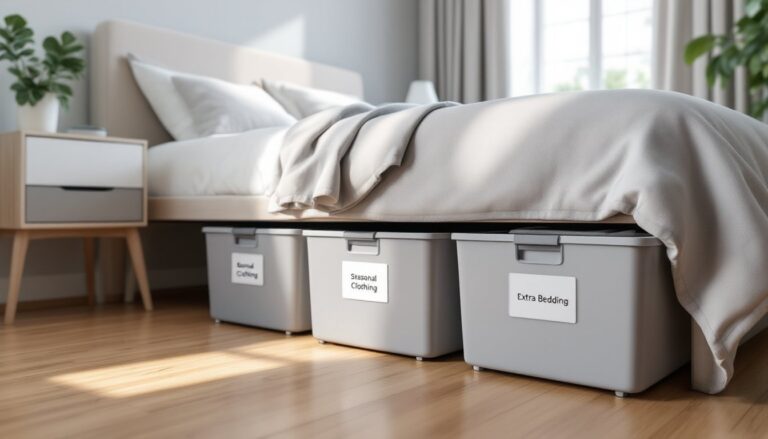
The appeal is simple: you eliminate the need for a standalone dresser or under-bed plastic bins that slide out every time someone walks past. In a 10×10 bedroom, swapping a standard bed and four-drawer dresser for a single storage bed can free up 12 to 16 square feet of floor space. That’s room for a desk, reading chair, or just easier movement around the room.
They’re especially practical in kids’ rooms (toys, books, off-season clothes), guest rooms (extra linens, pillows), and apartments where closet space is minimal. If you’re working with limited square footage, this isn’t lifestyle advice, it’s geometry.
Types of Single Storage Beds to Maximize Your Space
Not all storage beds are built the same. The style you choose depends on your room layout, what you’re storing, and how often you need to access it.
Drawer Storage Beds
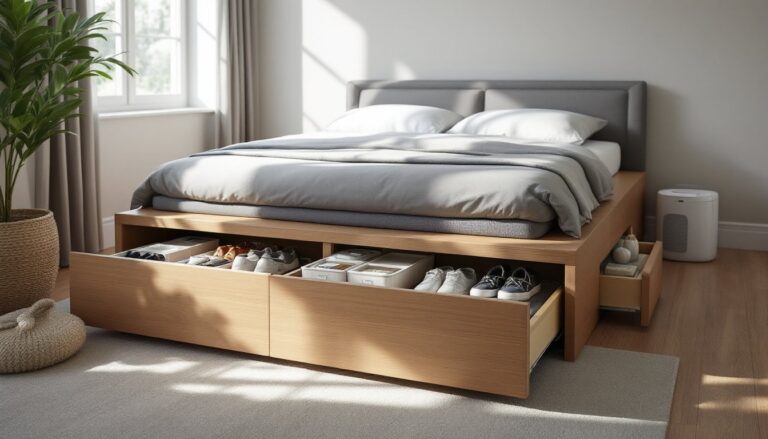
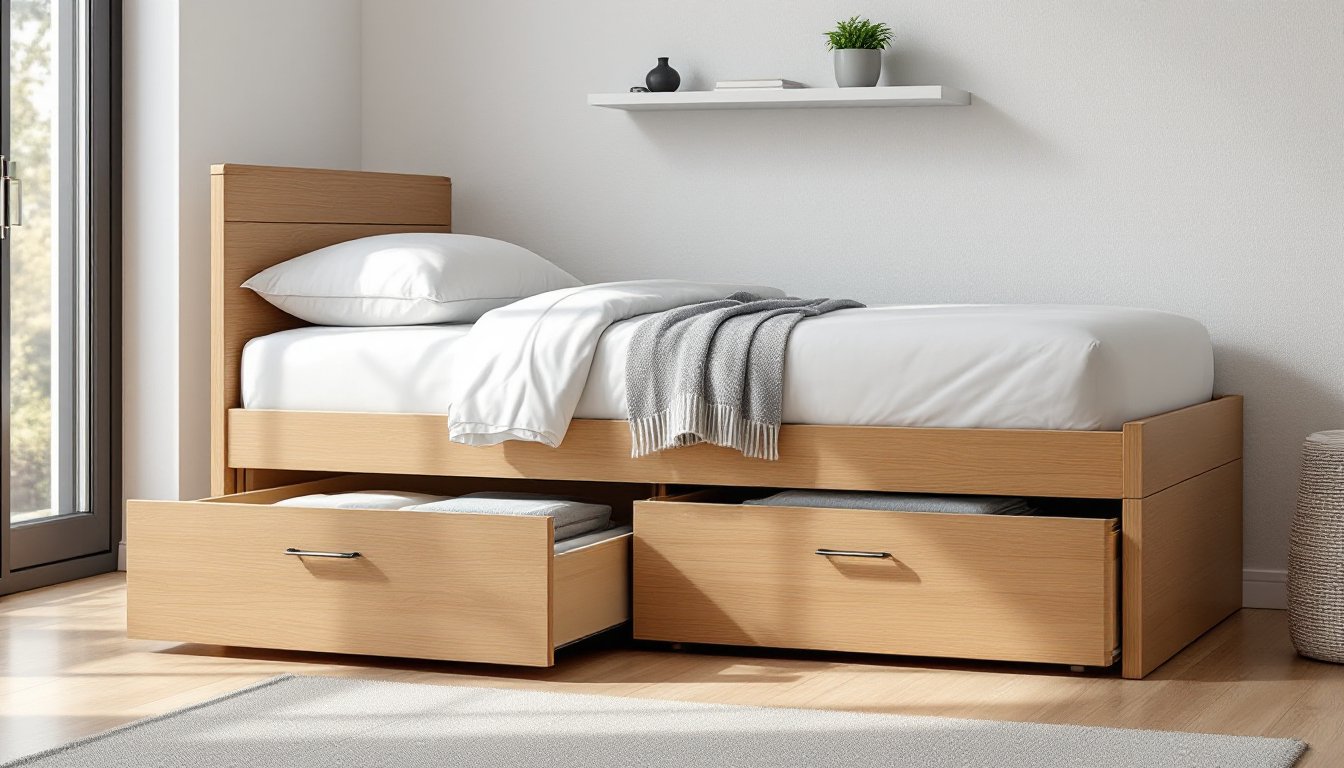
Drawer beds feature pull-out drawers mounted on glides beneath the mattress platform. Most designs include two to six drawers, arranged along one or both long sides of the frame. Common configurations:
- Three-drawer layout: Two large drawers on one side, one smaller drawer at the foot.
- Six-drawer layout: Three drawers per side, each around 24 inches wide and 12 inches deep.
Drawers typically use ball-bearing or roller glides for smooth operation, even when loaded. Higher-end frames use full-extension glides so you can access the entire drawer depth without pulling it off the track.
These beds work best when placed against a wall or in a corner, with at least 24 inches of clearance on the drawer side(s) for full extension. If you’re storing folded clothes, linens, or smaller items you access regularly, drawers beat lift-up designs for convenience.
One trade-off: drawer mechanisms add weight and complexity. Frames are heavier to move, and cheaper glides can bind or wobble over time. Look for solid wood or plywood drawer boxes with dovetail or dado joints, not particleboard stapled together.
Ottoman and Lift-Up Storage Beds
Lift-up (or ottoman-style) storage beds use a hinged mattress platform that pivots up to reveal a large, open storage cavity beneath. The entire bed deck lifts via gas pistons or spring-loaded hinges, similar to a car trunk.
Storage capacity is massive, up to 40 cubic feet in a single bed, and there are no drawer dividers, so you can stash bulky items like duffel bags, sports equipment, or space-saving tiny home bins. Access is less convenient (you have to strip the bed and lift the mattress), so they’re better for storing things you don’t need daily.
Gas pistons do the heavy lifting, but cheaper beds use manual hinges that require muscle. If you’re building or buying, gas struts rated for at least 100 pounds are a must, a queen mattress alone weighs 60–80 pounds, and adding bedding pushes it higher.
One caution: lift-up beds need at least 48 inches of vertical clearance behind the headboard or footboard if the deck pivots toward the wall. Measure your ceiling height and bed placement before committing.
They’re ideal for guest rooms where you’re storing extra bedding, or for anyone who wants maximum capacity without visible drawers. But if you need frequent access to clothing or daily-use items, drawers are more practical.
How to Choose the Right Single Storage Bed for Your Room
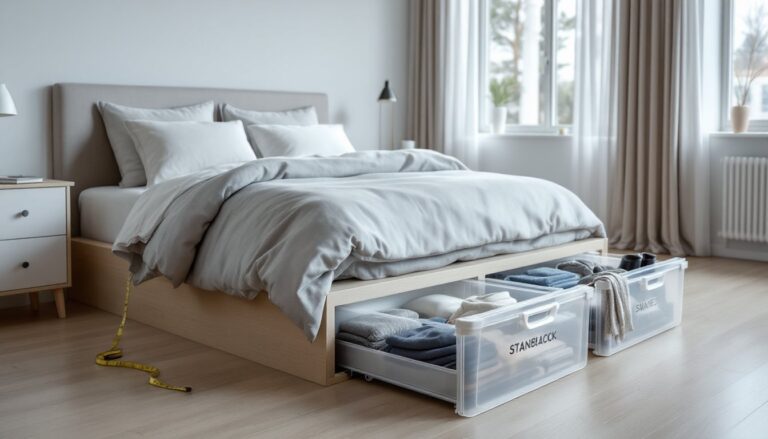
Start with the room’s footprint and traffic flow. Measure the space where the bed will sit, then add clearance:
- Drawer beds: Allow 24 to 30 inches on the drawer side(s) for full extension and kneeling access.
- Lift-up beds: Confirm ceiling height and ensure the pivoting deck won’t hit a window, shelf, or wall-mounted light.
Next, assess what you’re storing. Folded clothes, shoes, and linens fit drawers. Luggage, sporting goods, and off-season bedding suit open lift-up cavities. If you’re mixing both, some hybrid frames offer shallow drawers at the foot and a lift-up section at the head.
Material and construction matter for longevity. Solid wood (pine, oak, maple) and quality plywood outlast particleboard or MDF, especially in high-humidity environments. Check joinery, mortise-and-tenon, dowel, or pocket-screw joints hold up better than cam locks or L-brackets.
For drawer beds, test the glides. Ball-bearing or soft-close glides cost more but handle weight and daily use without sagging. If you’re buying unassembled, look for drawer boxes with 1/2-inch plywood sides and a 1/4-inch plywood or hardboard bottom set in a dado groove, not stapled on.
Some full-size storage bed frames scale down to single dimensions, so check if a manufacturer offers twin versions of a design you like. Weight capacity is another factor, most single storage beds support 250 to 400 pounds, which includes mattress, bedding, and sleeper. If you’re storing heavy items (books, tools), confirm the platform’s load rating.
Finally, consider assembly and future moves. Flat-pack frames with bolt-together rails are easier to disassemble and transport than welded or glued units. If you rent or move frequently, prioritize modular construction.
DIY Single Storage Bed Ideas and Build Tips
Building your own single storage bed is a solid intermediate woodworking project. You’ll need basic tools, circular saw or miter saw, drill/driver, clamps, measuring tape, square, and a weekend. Plans are widely available on Instructables and The Handyman’s Daughter, with cut lists and step-by-step instructions.
Material choice: For the frame, 2×4 and 2×6 dimensional lumber (actual sizes 1.5″ x 3.5″ and 1.5″ x 5.5″) work for rails and supports. Use 3/4-inch plywood for the mattress platform and drawer bottoms. Avoid OSB or particleboard in humid climates, they swell and delaminate.
Simple drawer bed design: Build a box frame with 2×6 rails on edge, spaced to leave 12 to 14 inches of clearance beneath the platform. Add cross supports every 24 inches to prevent sagging. Mount drawer boxes on bottom-mount or side-mount ball-bearing slides (rated for 75–100 pounds per pair). Cut drawer fronts from 3/4-inch plywood or 1×8 pine boards, and attach pulls or handles.
Lift-up bed approach: Frame the perimeter with 2×6 or 2×8 lumber, then hinge one long side of the plywood platform. Install gas struts rated for 80–120 pounds on both sides, mounted at a 45-degree angle for optimal lift assist. You can find struts at hardware stores or online, Fix This Build That has tutorials on calculating strut force and mounting angles.
Safety and hardware: Use 3-inch wood screws or pocket screws (1-1/4 inch for 3/4-inch material) to join frame members. Pre-drill to avoid splitting. Apply wood glue at all joints for rigidity. Sand all edges and apply polyurethane or paint to seal the wood and prevent splinters.
Permits and codes: This is furniture, not a structural modification, so no permit is required. But, if you’re anchoring the bed to wall studs to prevent tipping (recommended for lift-up designs or in earthquake zones), use lag screws into studs, not drywall anchors.
PPE: Wear safety glasses, hearing protection, and a dust mask when cutting and sanding. Use gloves when handling lumber to avoid splinters.
Budget for materials runs $150 to $300 depending on lumber grade and hardware quality, less than most store-bought storage beds, and you can customize dimensions to fit odd spaces or match existing furniture.
Conclusion
Single storage beds turn wasted vertical space into usable storage without adding furniture or clutter. Whether you buy a ready-made frame or build your own, the ROI in a small bedroom is immediate, more floor space, fewer bins, and everything tucked out of sight. Measure twice, pick the right style for your access needs, and don’t cheap out on drawer glides or lift hardware.