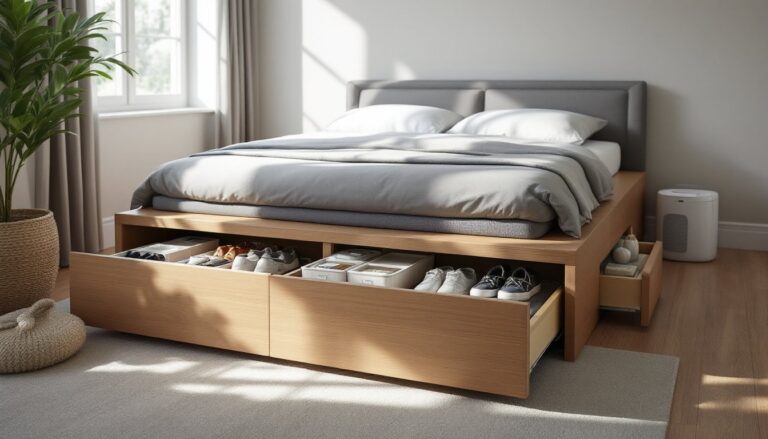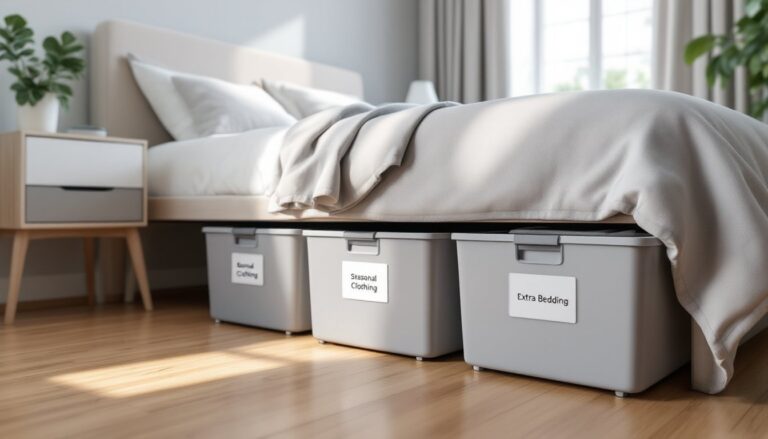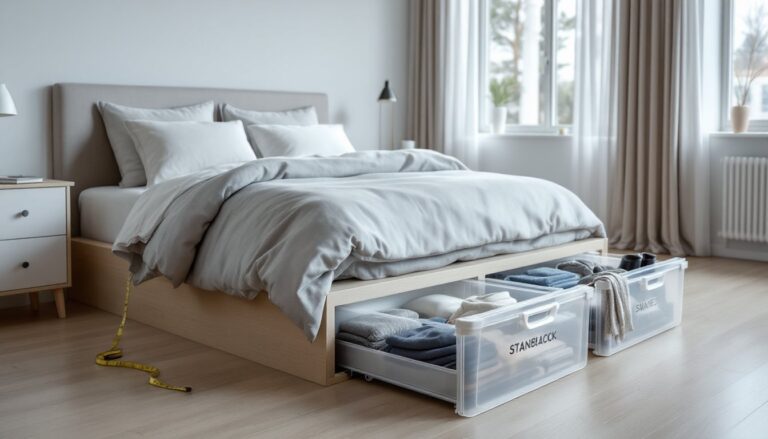
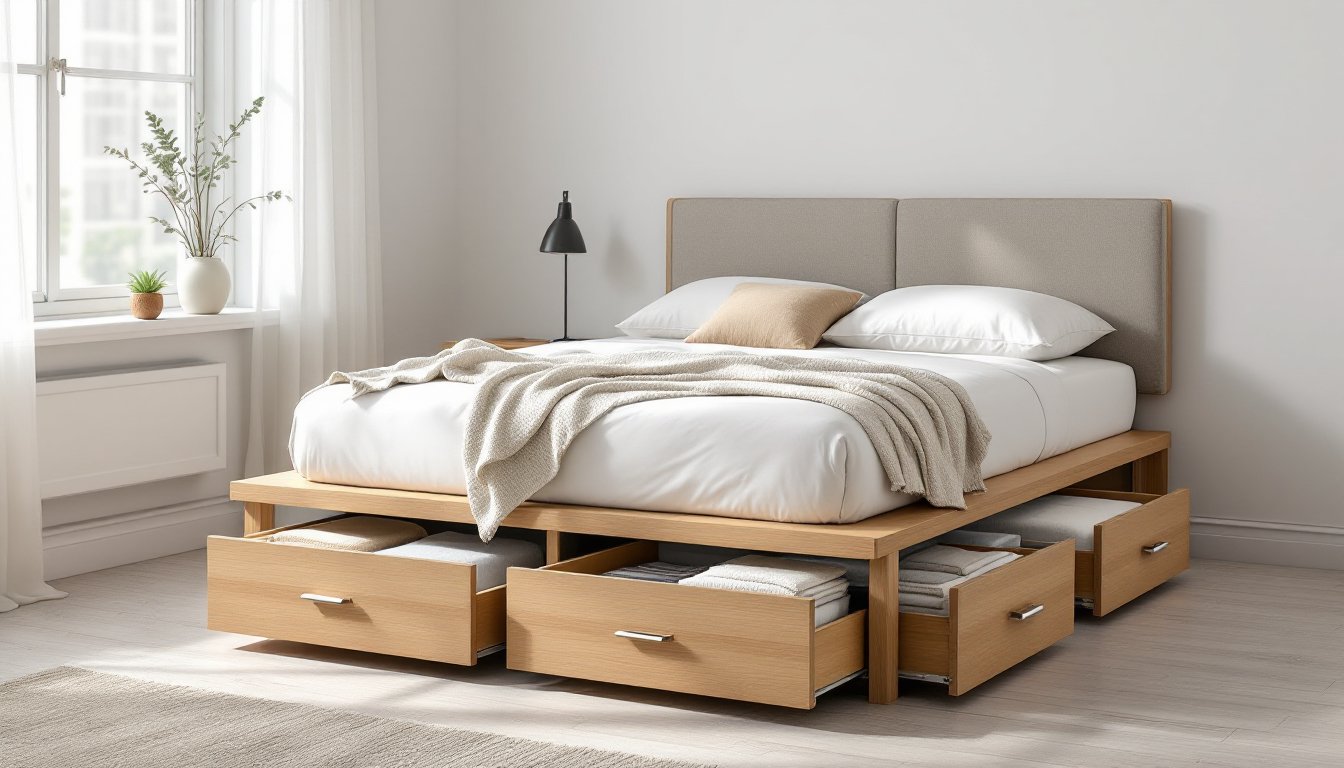
Small bedroom? Overflowing closet? A storage platform bed might be the smartest piece of furniture you’ll ever buy. Instead of wasting the dead space under your mattress, these beds turn that volume into usable storage, whether through drawers, lift-up compartments, or cubbies. They’re not just for cramped studio apartments, either. Even spacious homes benefit from the extra organization and cleaner floors. This guide covers what makes a storage platform bed work, the different types available, how to pick the right one, and styling tricks to make it look intentional instead of purely functional.
Table of Contents
ToggleKey Takeaways
- A storage platform bed reclaims 15 to 30 cubic feet of usable storage space while maintaining the same footprint as a standard bed, making it ideal for small bedrooms and apartments.
- Storage platform beds come in two main types—drawer models for everyday items and hydraulic lift beds for bulky seasonal storage—each offering distinct advantages based on your room layout.
- The platform base eliminates the need for a box spring, saving 6 to 9 inches of vertical height and allowing better airflow that can extend mattress lifespan.
- When selecting a storage platform bed, prioritize solid hardwood construction, quality drawer glides or hydraulic pistons, and verification of weight capacity before purchase.
- Styling a storage platform bed with low nightstands, vertical storage solutions, and layered textures prevents it from looking purely utilitarian while maximizing the room’s organization potential.
What Is a Storage Platform Bed and How Does It Work?
A storage platform bed is a bed frame that integrates storage compartments directly into its structure, sitting on a solid base instead of a traditional box spring. The platform itself, usually made from solid wood slats, plywood panels, or engineered wood, supports the mattress and doubles as the floor of the storage system below.
Unlike standard bed frames with open space underneath (or worse, that collect dust bunnies), storage platform beds are designed with intention. The base typically sits 12 to 16 inches off the floor to allow enough clearance for drawers or lift mechanisms, though some low-profile models sit closer to 8 inches. The storage is built into the footprint of the bed, so there’s no additional floor space required, critical in tight quarters.
Most models use one of three mechanisms: side-mounted drawers that pull out on metal glides, a hydraulic lift system that raises the entire mattress platform, or open cubbies accessed from the foot or sides. The frame itself is usually constructed from solid hardwood (oak, maple, walnut) or engineered wood with veneer, depending on budget and aesthetic preference. Look for frames with center support beams on queen and king sizes to prevent sagging over time.
One key advantage: you don’t need a box spring. The platform does the job of supporting your mattress, which saves 6 to 9 inches of vertical height, helpful in rooms with low ceilings or if you’re pairing the bed with a thicker mattress.
Top Benefits of Choosing a Storage Platform Bed
Reclaimed floor space. The average queen bed occupies about 33 square feet of floor area. A storage platform bed uses that same footprint but adds 15 to 30 cubic feet of usable storage underneath, equivalent to a small dresser or several bins. That’s huge in apartments, kids’ rooms, or guest bedrooms doubling as home offices.
Eliminate clutter without adding furniture. Instead of squeezing in another dresser or bookshelf, you consolidate storage into the bed itself. Linens, off-season clothing, shoes, books, or sports gear all tuck away out of sight. The result: cleaner sightlines and more walking room.
Better than under-bed bins. Rolling plastic tubs under a standard bed frame is a temporary fix that looks messy and makes cleaning a chore. Integrated drawers or lift compartments stay organized, keep dust out, and are easier to access. No more dragging bins across carpet or hardwood.
Potential for better sleep posture. Platform beds with slatted bases (spaced 2 to 3 inches apart) allow airflow under the mattress, which can extend the life of foam and hybrid mattresses by reducing moisture buildup. Some users also prefer the firmer feel of a platform compared to a box spring.
Cost-effective furniture swap. Buying a full-size storage bed can often replace both a bed frame and a dresser, depending on how much you store. Mid-range models run $400 to $900 for a queen, comparable to buying a frame and a basic dresser separately.
Works with most mattress types. Memory foam, latex, innerspring, and hybrid mattresses all pair well with platform beds. Just confirm the slat spacing: many foam mattress warranties require slats spaced no more than 3 inches apart to prevent sagging.
Different Types of Storage Platform Beds Explained
Not all storage beds are built the same. The two most common types, drawer beds and hydraulic lift beds, offer different pros and cons depending on your room layout and what you’re storing.
Drawer Storage Platform Beds
These beds feature built-in drawers that slide out from the sides or foot of the frame, usually on metal ball-bearing glides or wooden runners. Most queen and king models have four to six drawers total, split evenly on both sides.
Pros:
- Easy access without lifting the mattress
- Great for everyday items like clothes, shoes, or linens
- Drawers keep contents organized and dust-free
- No tools needed to open and close
Cons:
- Requires clearance space beside the bed (usually 18 to 24 inches) to fully extend drawers
- Not ideal if the bed is wedged between walls or nightstands
- Drawer capacity is limited compared to lift-up models
Construction tips: Look for dovetail or dowel joints on drawer boxes, these hold up better than stapled particleboard. Full-extension glides let you access the entire drawer depth. Some budget models use plastic tracks: these wear out faster and can jam if overloaded.
If you’re building your own, platforms like Instructables and Ana White’s community projects offer detailed plans with material lists and cut diagrams. Expect to invest 12 to 20 hours of shop time for a DIY drawer bed, depending on your skill level.
Lift-Up Hydraulic Storage Beds
Also called gas-lift or ottoman beds, these use pneumatic pistons or spring-loaded hinges to lift the entire mattress platform, revealing a large open storage compartment underneath. Think of it like a car trunk, but horizontal.
Pros:
- Maximum storage volume, the entire underbed area is accessible
- No side clearance needed: lift operates vertically
- Perfect for bulky or seasonal items: suitcases, comforters, camping gear
- Cleaner aesthetic with no visible drawers
Cons:
- You have to remove pillows, bedding, and anything on the mattress to access storage
- Less convenient for daily-use items
- Hydraulic pistons can wear out over time (typically rated for 10,000 to 20,000 cycles)
- Slightly higher initial cost due to lift hardware
Safety note: Always use both hands when lowering the platform, and keep children clear of the hinge side. The mattress and platform together can weigh 100+ pounds on a queen. Some models include safety straps to prevent the platform from slamming shut.
Hydraulic beds work well in rooms where the bed is flush against a wall or surrounded by furniture, since you don’t need side access. Just make sure there’s enough overhead clearance, the mattress will tilt up at roughly a 45-degree angle when fully open.
How to Choose the Right Storage Platform Bed for Your Space
Measure your room, and your doorways. A queen bed frame is typically 60 inches wide by 80 inches long, but a bed platform with storage can add 2 to 6 inches to each dimension due to side panels or drawer housings. Measure the room, then subtract 36 inches from the width and length to ensure walkable clearance on at least two sides. Also measure doorways and stairwells if you’re ordering a fully assembled frame: some won’t fit and will need to be assembled in the bedroom.
Decide between drawer or lift-up based on layout. If your bed is centered with nightstands on both sides and at least 20 inches of clearance, drawers are your best bet. If the bed is pushed into a corner, against a wall, or flanked by built-ins, go hydraulic. For those exploring other bedroom storage solutions, drawer beds tend to integrate better with existing furniture.
Check the weight capacity. Most platform beds are rated for 500 to 1,000 pounds, which includes the mattress, sleepers, and anything stored below. If you’re using a heavy mattress (latex or high-density foam can weigh 100+ pounds for a queen) or plan to store books or tools, confirm the frame’s rating. Frames with a center support rail and at least 12 slats are more durable.
Material and finish matter for longevity. Solid hardwood frames (oak, maple, acacia) cost more upfront but last decades and can be refinished. Engineered wood or MDF with veneer is lighter and cheaper, but edges can chip and hardware holes can strip if you move or disassemble the bed multiple times. If you’re going budget, look for reinforced corner brackets and metal L-brackets at joints.
Consider mattress height and total bed height. A storage bed platform sits higher than a standard frame. Add the platform height (12 to 16 inches), mattress thickness (10 to 14 inches), and you’re looking at a total sleeping surface 22 to 30 inches off the floor. That’s fine for most adults, but kids, seniors, or anyone with mobility issues may need a step stool or prefer a lower-profile model.
Read reviews for hardware quality. The weakest link in most storage beds is the drawer glides or hydraulic pistons. Look for mentions of smooth operation, quiet closing, and whether parts held up after six months of use. Beds with soft-close drawer glides are worth the upgrade, they prevent slamming and reduce wear on joints.
Styling Tips to Maximize Your Storage Platform Bed
Use the bed as a room anchor. Because storage platform beds are bulkier and sit higher, they naturally become the visual focal point. Center it on the longest wall, or place it under a window if the room is narrow. Avoid shoving it into a corner unless you’re going with a lift-up model.
Keep nightstands low and simple. Tall nightstands next to a tall bed create a visual canyon. Opt for pieces 20 to 24 inches high, low enough to reach from bed but proportionate to the platform. Floating wall-mounted shelves also work and preserve floor space if drawers extend on both sides.
Layer textures to soften the boxy frame. Platform beds can look utilitarian, especially in engineered wood finishes. Add a textured duvet, linen bedding, or a chunky knit throw to break up straight lines. An upholstered headboard (even a DIY fabric panel mounted to the wall) adds warmth.
Don’t block drawer access with rugs. If you have side drawers, make sure area rugs stop short of the bed frame or are thin enough that drawers can glide over them. High-pile rugs can jam drawer mechanisms or create drag.
Label or organize drawer contents. Out of sight often means out of mind. Use drawer dividers, fabric bins, or even painter’s tape labels on the inside so you remember what’s where. This is especially helpful in kids’ rooms or guest bedrooms.
Pair with vertical storage. Since the bed handles horizontal storage, go vertical everywhere else. Tall bookcases, wall-mounted hooks, pegboards, or floating shelves keep the floor clear and make the room feel taller. Resources like Fix This Build That offer DIY plans for custom shelving that complements platform bed layouts.
Mind the proportions in small rooms. In a 10×10-foot bedroom, a king storage bed might overwhelm the space. A full or queen usually hits the sweet spot. If you’re committed to a king, consider a low-profile model with a lighter wood finish to reduce visual weight.
Safety check for kids’ rooms. If the bed is in a child’s room, make sure drawer pulls are rounded (not sharp-edged), and consider a lift-bed safety strap or locking mechanism if younger siblings could climb inside. Keep heavy items toward the front of drawers to prevent tipping.