Storage bins aren’t glamorous, but they’re the backbone of functional home organization. Costco’s bulk pricing model makes them one of the best places to stock up on storage solutions without draining your wallet. Whether you’re tackling a garage cleanout, organizing a basement workshop, or finally getting the kids’ toys under control, Costco storage bins deliver solid value for the money. This guide breaks down what’s actually worth buying, how to choose the right bins for different applications, and practical ways to use them throughout your home.
Table of Contents
ToggleKey Takeaways
- Costco storage bins offer 20-40% savings compared to buying at other big-box retailers, making them a smart choice for budget-conscious home organization.
- Clear plastic bins provide visibility for identifying contents, while heavy-duty totes rated for 100+ pounds are ideal for tools, garage storage, and basement applications.
- Measure your space before purchasing Costco storage bins—a 27-gallon bin measures roughly 30″ × 20″ × 15″, which may not fit standard shelving or doorways.
- Label all bins with contents and storage dates, and keep end labels visible when stacking to save time hunting for items.
- Weathertight, gasket-sealed bins are essential for basements and humid spaces, while opaque totes protect contents from UV degradation in sunny areas.
- Invest in sturdy shelving and maximize vertical storage by stacking bins strategically, but anchor tall shelving to wall studs for safety and stability.
Why Costco Storage Bins Are a Smart Choice for Home Organization
Costco’s storage bin selection hits a sweet spot between quality and affordability. The warehouse club’s buying power means you’re getting bins at prices that undercut most home improvement stores by 20-40%, especially when purchased in multi-packs. The typical Costco member saves $15-30 per six-pack compared to buying equivalent bins individually at big-box retailers.
Beyond price, Costco rotates stock based on member feedback and seasonal demand. This means the bins that stick around tend to be workhorses, products that survive real-world use in garages, attics, and basements. The downside? Selection is limited compared to specialty storage retailers, and inventory varies by location and season. If you spot bins that fit your needs, buy enough for your project. They may not be there next month.
Costco’s Kirkland Signature brand bins typically feature thicker polypropylene walls (2-3mm vs. 1-1.5mm for budget brands) and reinforced lids with secure latching mechanisms. These aren’t decorator pieces, but they’re built to stack under load and resist cracking in temperature swings, important if you’re storing items in an unheated garage or attic space.
Most Costco bins come with Costco’s satisfaction guarantee, which covers defects and breakage. Keep your receipt, especially for heavy-duty totes. Latches and hinges are the first components to fail under repeated use.
Top Costco Storage Bin Options and What They’re Best For
Clear Plastic Bins for Visibility and Versatility
Clear polypropylene bins are Costco’s bread and butter. These typically come in 27-gallon, 64-quart, or 112-quart capacities with snap-on or hinged lids. The transparency lets you identify contents without pulling bins off shelves, a huge time-saver when you’re hunting for holiday decorations or seasonal clothing.
Look for bins with reinforced corners and ribbed sidewalls. These design features prevent bowing when bins are stacked three or four high. Costco’s Iris Weathertight bins are a solid mid-tier option, featuring gasket-sealed lids that keep out moisture and dust. They’re ideal for basement storage where humidity can be an issue. Expect to pay $8-12 per bin in a multi-pack.
For lighter-duty applications, craft supplies, linens, or kids’ toys, the basic clear bins without weather sealing work fine and run $5-8 each. Just don’t overload them. A 64-quart bin maxes out around 50-60 pounds before handles and sidewalls start to stress.
One caveat: clear bins exposed to direct sunlight will yellow and become brittle over 2-3 years. If you’re storing items in a sunny garage or shed, opt for opaque totes or keep bins covered.
Heavy-Duty Totes for Garage and Basement Storage
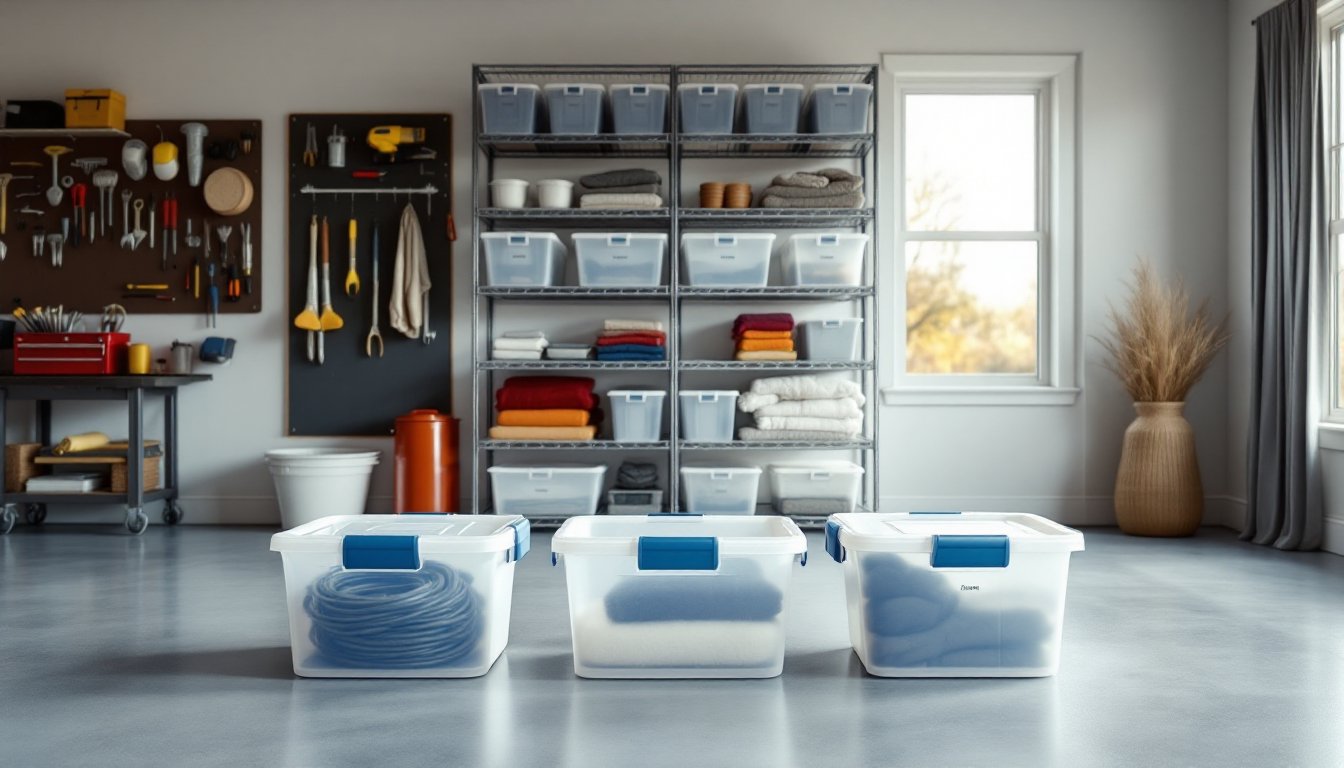
For serious storage, tools, automotive parts, camping gear, or building materials, Costco carries heavy-duty totes in the 27-gallon to 45-gallon range. These feature thicker walls (up to 4mm), industrial-grade latches, and load ratings of 100+ pounds when stacked.
The Sterilite 40-Gallon Industrial Tote is a frequent Costco offering, typically sold in two-packs for $25-30. It’s built with a reinforced rim and lid that can support the weight of multiple bins stacked on top, critical if you’re maximizing vertical space in a garage or basement. These bins handle temperature extremes better than standard storage bins costco carries, making them suitable for unheated spaces.
For workshop storage, look for bins with reinforced handles that run the full width of the bin. Molded-in handles cut into the rim are weak points that crack under heavy loads or awkward lifting angles. Full-loop handles distribute weight better and won’t snap off when you’re wrestling a loaded bin off a high shelf.
If you’re storing hardware, fasteners, or small parts, consider bins with built-in dividers or add aftermarket drawer organizers. Many experts at Real Simple emphasize the importance of compartmentalization to prevent small items from becoming a jumbled mess over time.
How to Maximize Your Storage Bin Investment
Measure before you buy. This sounds obvious, but measure shelf depth, ceiling height, and doorway widths if you’re moving bins between rooms. A 27-gallon bin measures roughly 30″ × 20″ × 15″, too wide for standard 24″-deep wire shelving and a tight squeeze through a 30″ doorway. Costco doesn’t accept returns on used storage bins that simply don’t fit your space.
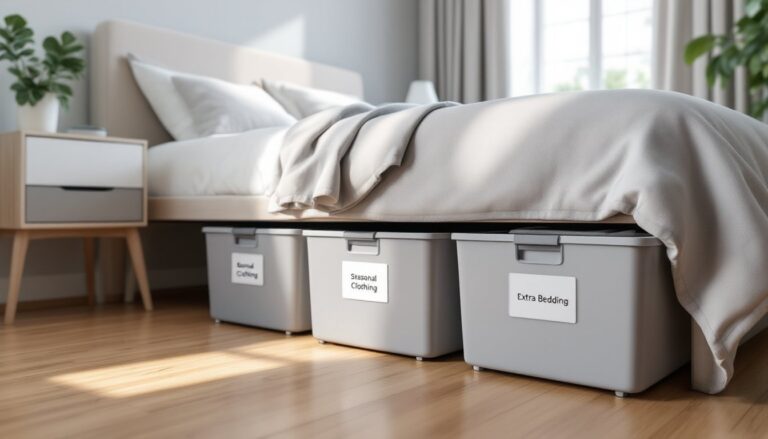
Label everything. Use a label maker or heavy-duty masking tape and permanent marker. Label the front and at least one end of each bin. When bins are stacked, end labels are often the only visible identifier. Include the date items were stored, it’s a reality check when you discover you haven’t touched something in five years.
Maximize vertical space by investing in sturdy shelving. Costco’s Whalen storage racks (typically $120-150 for a 77″ × 48″ × 24″ unit) support 1,500-2,500 pounds distributed across five shelves. That’s enough capacity for 20-25 loaded bins. Anchor tall shelving to wall studs using 3″ lag screws to prevent tipping, this isn’t optional in earthquake zones or homes with kids.
Don’t mix categories. Keep seasonal items separate from tools, and tools separate from household goods. Cross-contamination leads to inefficiency. If you need something from a bin at the bottom of a stack, you’ll have to move everything above it.
Consider climate control. Unheated garages and attics swing 40-80°F seasonally in most climates. Electronics, photographs, and anything with adhesive components shouldn’t be stored in extreme temperatures. If you’re using storage bins costco offers for long-term archival, keep those bins in climate-controlled spaces.
For items requiring more specialized handling, inventory for a business, equipment that needs to remain accessible, or materials subject to regulatory requirements, explore commercial storage containers as an alternative to residential bins.
Creative Uses for Costco Storage Bins Throughout Your Home
Workshop and garage: Group tools by function, plumbing tools in one bin, electrical supplies in another. Use smaller bins (12-quart size) as drawer dividers inside larger totes for fasteners, drill bits, and sandpaper. Mount bins on French cleats for off-floor storage that keeps supplies accessible but out from underfoot.
Seasonal storage: Store holiday decorations, winter clothing, and camping gear in labeled bins. Vacuum-seal soft goods like sleeping bags and winter coats before binning to reduce volume by 50-60%. This maximizes bin capacity and protects fabrics from moisture and pests.
Basement and attic: Use weathertight bins for anything vulnerable to humidity, books, papers, textiles, and electronics. Add desiccant packs (available in bulk at Costco) to bins stored in damp basements. Replace desiccant annually.
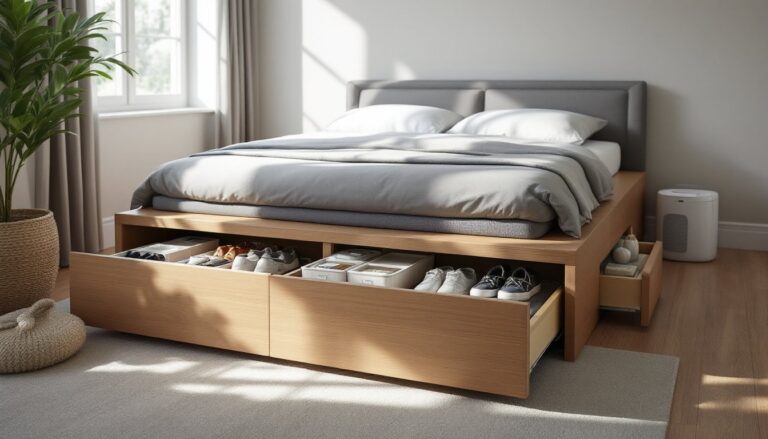
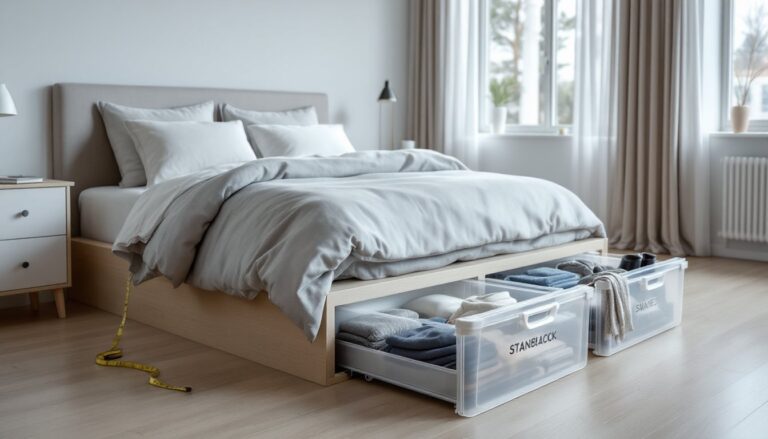
Kids’ rooms: Low-profile bins (under 12″ tall) fit under beds and provide accessible toy storage. Assign each child a color or label bins by toy category (building blocks, action figures, art supplies). Decluttering systems work better when kids can actually see and reach their stuff. Solutions featured on Apartment Therapy frequently showcase bins as foundational elements of functional kid spaces.
Kitchen and pantry: Use smaller clear bins (6-12 quart) to corral baking supplies, snack bags, and canned goods. This prevents avalanches when you pull one item from a crowded pantry shelf. Grouping items by use (baking, breakfast, snacks) streamlines meal prep, a strategy often recommended by organizers at The Kitchn for efficient kitchen workflows.
Emergency preparedness: Store 72-hour kits, first aid supplies, and emergency water in stackable bins near an exit. Use opaque bins to protect supplies from UV degradation and label bins with contents and expiration dates for perishable items.
Conclusion
Costco storage bins deliver straightforward value for homeowners who need functional organization without overpaying for premium branding. Focus on buying bins that match your specific use case, clear bins for visibility, heavy-duty totes for garage and basement storage, and weathertight options for moisture-prone areas. Measure your space, label your bins, and invest in shelving that maximizes vertical storage. With the right approach, Costco storage bins become the foundation of a well-organized home that actually stays organized.