Collapsible fabric storage bins have become the workhorse of home organization, and for good reason. They’re affordable, lightweight, and adaptable enough to handle everything from kids’ toys to garage hardware. Unlike rigid plastic totes that hog space when empty, fabric bins fold flat and tuck away until you need them. Whether you’re tackling a closet overhaul or just trying to corral the chaos in your entryway, these bins offer a flexible solution that works with your space, not against it.
Table of Contents
ToggleKey Takeaways
- Collapsible fabric storage bins fold flat and save space unlike rigid plastic totes, making them ideal for organizing everything from kids’ toys to seasonal clothes in any room of your home.
- Choose the right bin type by measuring your space first and matching fabric weight to use—lightweight polyester for clothes and heavier canvas for books or tools to prevent sagging.
- Wire or plastic frame designs hold their shape under load, but ensure handles are reinforced with proper stitching for loads over 10 lbs to prevent tearing.
- Maintain collapsible storage bins by vacuuming regularly, spot-cleaning spills immediately, and avoiding overloading beyond 25–30 lbs to extend their lifespan.
- Customize fabric bins with interior pockets, waterproof liners, or fabric paint designs to adapt them to specific storage needs like craft supplies or damp environments.
What Are Collapsible Fabric Storage Bins and Why Use Them?
Collapsible fabric storage bins are soft-sided containers made from materials like canvas, polyester, felt, or non-woven polypropylene. They typically feature reinforced panels or wire frames that hold their shape when loaded but collapse flat when empty. Most include built-in handles, either cutout grips or sewn-in straps, for easy transport.
The main advantage is flexibility. A dozen rigid bins take up a shelf even when you’re not using them. Fabric bins fold to less than two inches thick and slide behind a dresser or under a bed. They’re also gentler on stored items, no sharp corners or hard edges to snag delicate fabrics.
They’re not bulletproof, though. Fabric bins won’t protect contents from moisture, pests, or heavy impacts. They work best for everyday organization in climate-controlled spaces. If you’re storing heirlooms in a damp basement, stick with sealed plastic totes.
Types of Collapsible Fabric Storage Bins for Every Room
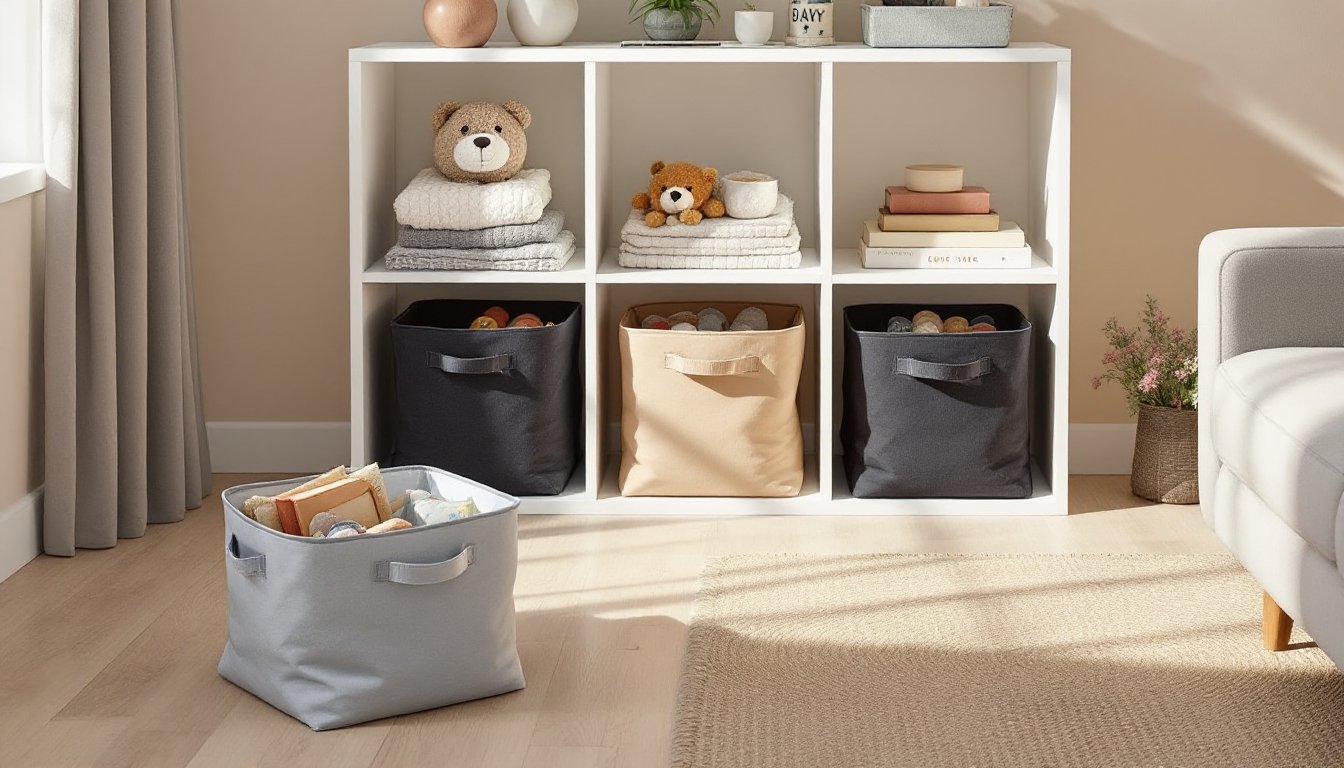
Cube bins fit standard cube organizers (typically 11″ × 11″ × 11″ or 13″ × 13″ × 13″). They’re the go-to for living rooms, playrooms, and home offices. Look for versions with cardboard or plastic inserts in the base for better stability under weight.
Open-top totes come in various sizes and work well for blankets, pillows, or laundry. Larger models (18″ × 12″ × 12″ and up) often include interior pockets for smaller items. These shine in bedrooms and linen closets.
Lidded bins add a layer of dust protection and visual uniformity. They’re ideal for attics, compact garage storage, or closet shelves where you want contents hidden. Make sure the lid attaches securely, loose covers slide off easily.
Drawer-style bins slide into shelving units like dresser drawers. They’re perfect for organizing craft supplies, tools, or accessories. Most feature a front label window or clear panel for quick identification.
Over-the-door and hanging organizers use vertical space efficiently. These work great in closets, bathrooms, and pantries. Reinforced grommets prevent tearing under load.
How to Choose the Right Collapsible Fabric Storage Bins
Measure your space first. Don’t guess. Measure shelf depth, cube openizer openings, and clearance around doors or drawers. A bin that’s a half-inch too wide won’t fit, and a half-inch too narrow will tip over.
Match fabric weight to use. Lightweight polyester (under 600 denier) works fine for clothes or linens. For books, tools, or hardware, look for heavier canvas (10 oz or more) or reinforced bottom panels. According to tests by home organization experts, thicker fabrics resist sagging and hold up to repeated handling.
Check the frame. Wire frames offer more rigidity than cardboard inserts but may poke through fabric over time. Plastic boning provides a middle ground, firm enough to maintain shape, flexible enough to avoid punctures. Some bins skip frames entirely and rely on thick fabric, which works if you’re not stacking them.
Handles matter. Cutout handles are fine for lightweight loads (under 10 lbs). For heavier contents, reinforced strap handles distribute weight better and won’t tear out. Test the handle attachment, stitching should wrap around the handle and into the bin body, not just tack on at two points.
Consider washability. Most fabric bins are spot-clean only. If you’re storing kids’ toys or gym gear, look for machine-washable options. Remove any cardboard or wire frames before washing.
Creative Ways to Use Collapsible Fabric Bins Throughout Your Home
Entryway command center: Use labeled bins to corral shoes, dog leashes, reusable bags, and mail. A bin for each family member prevents the “where are my keys?” scramble.
Under-sink organization: Line bins with waterproof liners to protect against drips. Group cleaning supplies by task, one for bathroom, one for kitchen, one for general-purpose.
Sewing and craft storage: Dedicate bins to fabric scraps, thread, patterns, and notions. Clear-window bins let you see contents without dumping everything out. This system also works well for hobby supplies like paints, beads, or scrapbooking materials.
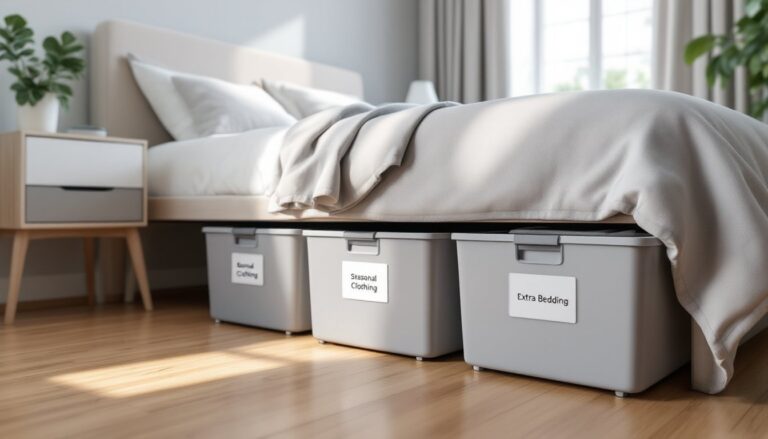
Seasonal rotation: Store off-season clothes in lidded bins on high closet shelves. Label bins by season and family member. When temperatures shift, swap bins instead of digging through overstuffed drawers.
Car trunk kit: Keep a collapsible bin in your trunk for groceries, sports equipment, or emergency supplies. When it’s empty, fold it flat to maximize cargo space.
Toy rotation: Many organizing specialists recommend rotating toys to reduce clutter and renew interest. Store inactive toys in bins, then swap them monthly.
Care and Maintenance Tips for Long-Lasting Storage Bins
Vacuum regularly. Dust accumulates fast, especially on textured fabrics. Use an upholstery attachment to prevent snags.
Spot-clean spills immediately. Blot, don’t rub, with a damp cloth and mild detergent. Rubbing spreads stains and weakens fibers. For stubborn marks, mix one tablespoon of dish soap with two cups of warm water.
Air out periodically. Even clean bins can develop musty odors in humid environments. Empty them quarterly and let them sit in sunlight for a few hours. UV rays naturally kill bacteria and mold spores.
Don’t overload. Most fabric bins max out around 25-30 lbs, depending on construction. Overloading stresses seams and frames. If a bin is bulging, it’s too full.
Store empty bins properly. Fold them flat and stack horizontally, standing them upright can crease the fabric permanently. Slip a piece of cardboard between bins to prevent color transfer.
Inspect frames annually. Wire frames can rust in damp spaces. If you spot rust, remove the frame, sand it lightly, and spray with a rust-inhibiting primer before reinserting.
DIY Ideas: Customizing Your Fabric Storage Bins
Add interior pockets. Sew fabric strips inside the bin to create compartments. This works great for art supplies, toiletries, or hardware. Use cotton canvas for durability, lightweight fabrics sag under weight.
Stencil or stamp designs. Plain bins are cheap, but they’re also boring. Use fabric paint and stencils to add patterns or labels. Let paint cure for 72 hours before using the bin. Heat-setting with an iron (medium heat, no steam) improves durability.
Install label holders. Adhesive label frames (available at craft stores) stick to fabric without sewing. Slide printed labels in and out as contents change. This beats writing directly on bins with permanent marker.
Line with waterproof fabric. Cut a piece of vinyl tablecloth or shower curtain liner to fit the bin bottom and sides. Secure with fabric glue or fusible webbing. This upgrade turns a basic bin into a waterproof container for damp towels, wet swimsuits, or cleaning rags.
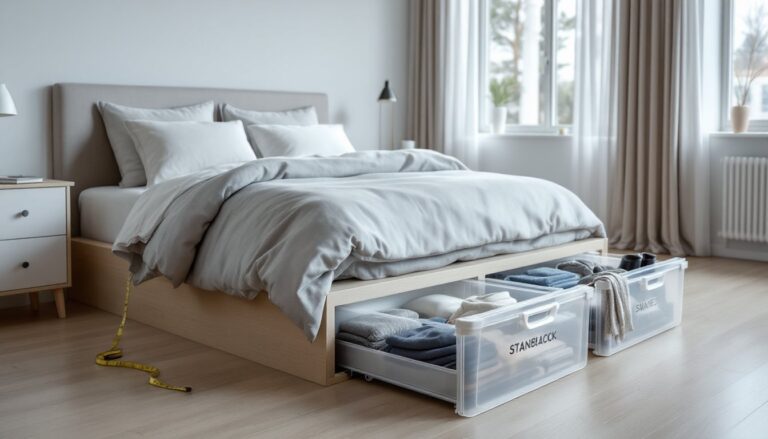
Add casters for mobility. Attach a plywood base (cut to bin dimensions) using fabric glue. Screw small furniture casters to the plywood. This converts a standard bin into a rolling storage cart, perfect for under-bed storage or commercial storage applications.
Reinforce handles. If factory handles feel flimsy, stitch a second layer of webbing over the existing handle. Use heavy-duty thread (like upholstery thread) and backstitch at stress points. Fans of DIY home projects on Better Homes & Gardens often recommend this simple fix for extending bin life.
Conclusion
Collapsible fabric storage bins won’t solve every organizational challenge, but they’re a solid, affordable option for most home storage needs. Choose the right type and size for your space, maintain them properly, and they’ll last for years. And if a basic bin doesn’t quite fit your needs, a few simple modifications can turn it into exactly what you’re looking for.