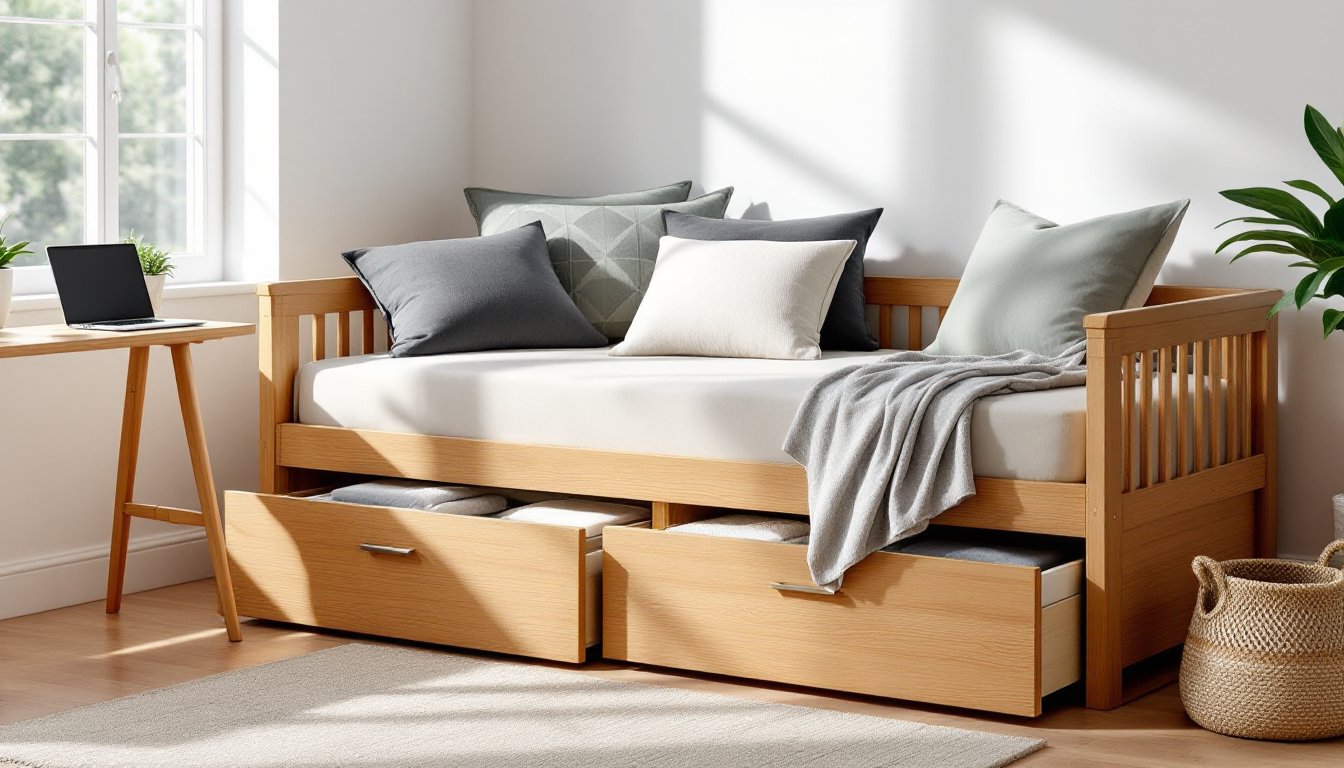
A full size day bed with storage tackles two problems at once: it provides comfortable sleeping space for guests or daily use, and it corrects the universal shortage of bedroom storage without eating up more floor space. Unlike twin day beds that feel cramped for adults or standard bed frames that waste the volume underneath, a full size version offers real estate for both sleeping and stashing. The design isn’t just for studio apartments or spare rooms anymore, it’s become a practical choice for teen bedrooms, home offices, and even master bedrooms in smaller homes where closet space is tight and furniture has to earn its keep.
Table of Contents
ToggleKey Takeaways
- A full size day bed with storage combines sleeping space and storage capability, freeing up 12 to 18 square feet of floor space compared to traditional bed and dresser combinations.
- Quality drawer features like metal ball-bearing glides and full-extension tracks are essential for a full size day bed with storage that lasts, as they significantly impact long-term durability and usability.
- Full size day beds work best in guest rooms, teen bedrooms, studio apartments, and spaces lacking closets, where they function as both seating during the day and a practical sleeping solution at night.
- Storage options range from built-in drawers and under-bed pull-outs to lift-up compartments, each offering different accessibility and capacity benefits depending on your room layout and storage needs.
- Frame material matters: solid wood lasts longest ($600–$1,200), engineered wood balances cost and durability ($300–$600), and style should match the room’s dual purpose to maximize both function and aesthetic appeal.
Why Choose a Full Size Day Bed with Storage?
The math is simple: a full size mattress measures 54 inches wide by 75 inches long, and the footprint underneath that frame holds roughly 20 cubic feet of usable storage when designed properly. That volume can replace a small dresser or several plastic bins cluttering a closet.
Day beds differ from standard beds in one key way, they’re designed to sit against a wall and function as seating during the day. This dual-purpose layout makes them ideal for rooms that serve multiple functions: a guest room that doubles as a home office, a teenager’s bedroom that needs hang-out space, or a den that occasionally hosts overnight visitors. The backrest or side rail keeps pillows in place and provides a comfortable surface for leaning, which standard bed frames lack.
Adding built-in storage to this setup eliminates the need for separate furniture pieces. In a 10×10 bedroom, swapping a traditional bed and dresser combo for a day bed with drawers can free up 12 to 18 square feet of floor space. That’s enough room for a desk, a reading chair, or simply easier movement around the room. The storage also keeps items contained and accessible, no more dragging bins out from under a bed skirt or losing things in the dark recesses under a frame.
From a construction standpoint, day beds with storage are typically built with heavier-duty frames than their non-storage counterparts. The drawer boxes, support rails, and reinforced slats required to handle stored weight also make the bed itself more stable and longer-lasting. This is especially relevant if the bed will see regular use as seating during the day, which places lateral stress on the frame that a standard bed wouldn’t experience.
Types of Storage Options for Full Size Day Beds
Not all storage beds are created equal. The type of storage mechanism affects how much you can store, what items fit, and how easily you can access them. Here’s what’s available and how each option performs in real-world use.
Built-In Drawers and Under-Bed Pull-Outs
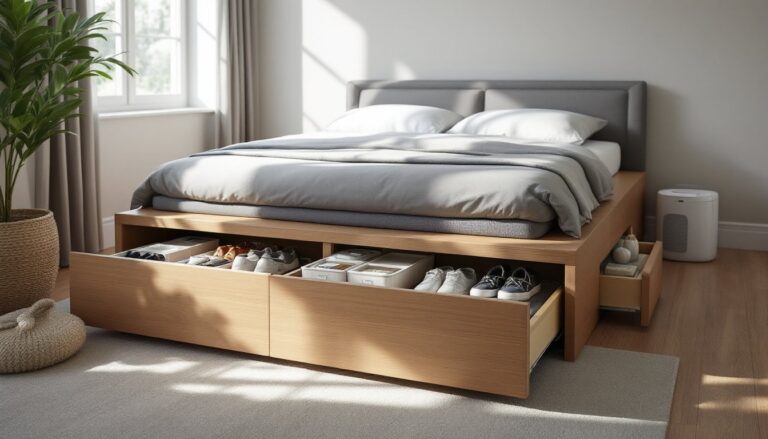
Drawers are the most common storage type, and they range from flimsy particleboard boxes to full-extension, dovetailed hardwood units. Quality matters here. Look for drawers with metal glides (preferably ball-bearing, full-extension) rather than plastic tracks or wood-on-wood slides. Full-extension glides let you access the entire drawer, not just the front two-thirds.
Most full size day beds offer two to four drawers. Two-drawer models typically place large drawers on either side of the bed, each measuring roughly 24 inches wide by 18 inches deep. These are deep enough for folded clothes, extra bedding, or bulky items like winter coats. Four-drawer configurations split the space into smaller compartments, which works better for organizing smaller items but reduces the size of things you can store.
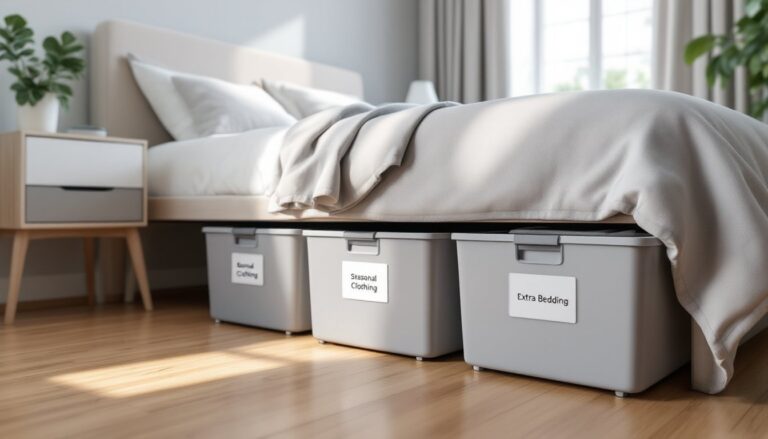
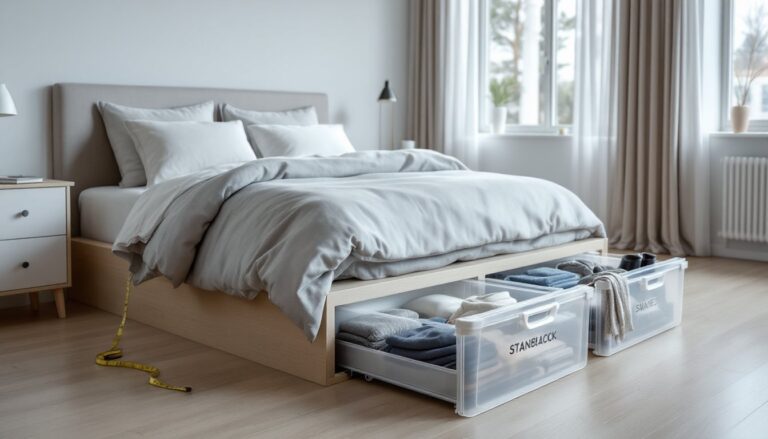
Under-bed pull-outs are shallow bins or platforms on casters that slide out from beneath the frame. They’re less refined than drawers but offer more flexibility, you can store oddly shaped items like luggage, sports equipment, or flat storage bins. The trade-off is that they’re not as enclosed, so items can collect dust unless you use lidded containers. Pull-outs also require more clearance: you’ll need at least 12 inches of space in front of or beside the bed to fully extend them.
Many DIY builders create their own storage bed solutions using free plans that incorporate custom drawer sizes tailored to specific needs, from craft supplies to seasonal clothing.
Trundle Beds and Lift-Up Storage Compartments
Trundle beds add a second sleeping surface rather than pure storage. A trundle is essentially a low-profile bed on wheels that hides underneath the day bed and rolls out when needed. Full size day beds with trundles are less common than twin versions because the clearance required is tight, the trundle mattress is typically 6 to 8 inches thick and needs another inch or two for the frame, so the day bed must sit at least 10 inches off the floor. That limits the trundle to a twin or twin XL mattress in most cases.
If overnight guests are a regular occurrence, a trundle beats an air mattress. But it’s not great for everyday storage since accessing it means pulling out the entire unit.
Lift-up storage uses gas pistons or hydraulic lifts to raise the entire mattress platform, exposing a large, open cavity underneath. This design maximizes storage volume, there are no drawer dividers or wasted space around support beams, and it’s ideal for storing bulky, infrequently accessed items like luggage, off-season clothing, or extra bedding. The downside is accessibility. Lifting the platform requires clearing everything off the bed first, so it’s not practical for items you need daily.
Lift mechanisms add cost and complexity. Cheap gas springs wear out or fail to hold the platform open, which is a safety hazard. Look for systems rated to handle at least 150 pounds of lift weight (the combined weight of the mattress, platform, and stored items). If you’re building your own, project tutorials often provide step-by-step guidance on installing hydraulic lift kits safely.
Best Rooms and Uses for Full Size Day Beds with Storage
Guest rooms are the obvious choice. A day bed keeps the space from feeling like a single-purpose room that sits unused 90% of the year. Add a desk or bookshelves, and the room functions as a home office or hobby space until someone needs a place to sleep. The storage drawers can hold extra towels, linens, and toiletries so guests don’t have to dig through your main linen closet.
Teen and preteen bedrooms benefit from the seating aspect. Kids this age tend to pile onto beds during hangouts, and a day bed with a sturdy backrest handles that better than a standard frame. The storage helps manage the chaos of sports gear, school supplies, and the ever-growing wardrobe that outpaces closet capacity. A full size mattress is also the right width for a teenager who’s outgrown a twin but doesn’t need a queen yet.
Studio apartments and small homes are where day beds shine brightest. When your bedroom is also your living room, a day bed blurs the line between the two without the expense or bulk of a murphy bed. During the day, it looks like a sofa: at night, it’s a full size bed. The storage replaces the dresser you don’t have floor space for. Just make sure the room layout allows for the bed to sit against a wall, day beds don’t work well floating in the center of a room.
Basements and bonus rooms often lack closets, which makes built-in storage essential. A full size day bed can turn an unfinished or underutilized space into a functional guest suite or media room without requiring a costly closet build-out. If the basement tends to be damp, elevating stored items off the floor inside drawers or lift-up compartments keeps them safer than leaving boxes on the concrete.
For creative, budget-friendly modifications, IKEA hacks offer dozens of ways to customize affordable day bed frames with added storage, from attaching drawer units to building custom trundle solutions.
How to Choose the Right Full Size Day Bed with Storage for Your Space
Start by measuring the room, not just the bed’s footprint, but the clearance you’ll need to open drawers or pull out a trundle. A day bed with side drawers needs at least 24 inches of space on either side for the drawers to fully extend. End drawers (drawers that pull out from the foot of the bed) require less side clearance but need open floor space at the foot. Sketch the layout on graph paper or use a room planner app to confirm everything fits before ordering.
Frame material impacts durability and cost. Solid wood frames (oak, maple, pine) are sturdy and long-lasting but pricey, expect to pay $600 to $1,200 for a quality piece. Engineered wood (plywood, MDF) with veneer finishes costs less ($300 to $600) but won’t hold up as well if the bed sees heavy use or frequent moves. Metal frames are strong and budget-friendly but often lack the aesthetic warmth that wood provides. If you’re considering a full size storage bed frame for a more traditional bedroom setup, similar material considerations apply.
Drawer quality separates a bed that lasts a decade from one that frustrates you in six months. Open and close drawers in the showroom. They should glide smoothly without wobbling or catching. Check the joinery, dovetail or mortise-and-tenon joints are stronger than butt joints held together with staples or glue. Drawer bottoms should be at least 1/4-inch plywood or solid wood, not thin particleboard that will sag under weight.
Mattress support varies widely. Some day beds use traditional box springs, others use slats, and some use a solid platform. Slatted bases need slats spaced no more than 3 inches apart to properly support a mattress and prevent sagging: wider spacing voids most mattress warranties. Platform bases work with any mattress type and don’t require a box spring, which lowers the overall bed height, useful if you’re trying to fit a trundle underneath.
Style should match the room’s purpose. A guest room day bed can have more decorative details, turned spindles, upholstered panels, ornate metalwork, since it doubles as a focal point. A teen’s room or studio apartment might call for a simpler, more streamlined design that doesn’t scream “bed” when styled with throw pillows during the day.
Styling Tips to Maximize Function and Aesthetic Appeal
Bedding choices change how a day bed looks and functions. During the day, style it like a sofa: use a fitted sheet and mattress protector as the base, then layer with a daybed cover or fitted slipcover that wraps around three sides. Add four to six throw pillows (a mix of 18-inch and 12-inch sizes) and a lumbar or bolster pillow for back support. Skip the heavy comforter or duvet during the day, fold it and store it in one of the under-bed drawers, or drape a lightweight throw at one end.
At night, remove the throw pillows (store them in a nearby basket or on a chair) and pull out the comforter. Keeping the bedding simple makes the transition between sofa mode and bed mode take less than a minute.
Backrest and side rail options affect comfort and appearance. Three-sided day beds (back and two arms) look the most sofa-like but limit mattress access to one side, which can make bed-making awkward. Two-sided models (back and one arm, or just a back) are easier to navigate but feel less enclosed. Open-sided day beds with no rails work in modern or minimalist spaces but sacrifice the seating support that makes a day bed practical.
Drawer organization keeps storage functional. Use drawer dividers or small bins to separate categories, socks and underwear in one section, t-shirts in another, accessories in a third. Label bins if multiple people use the room. Store items you access daily in the easiest-to-reach drawers (usually the top or outermost ones) and save deeper or lower drawers for seasonal or occasional items.
Clearance around the bed prevents the room from feeling cramped. Leave at least 30 inches between the day bed and any facing furniture (desk, chair, dresser) so someone can walk through comfortably. If the day bed sits in a corner, position it so the open side faces the room’s entry point, this makes the bed feel more inviting as seating and easier to access at night.
Lighting plays a role in how well the space functions. If the day bed doubles as a reading or work spot during the day, add a floor lamp or wall-mounted swing-arm light near the back corner. This provides task lighting without requiring a nightstand, which would block drawer access or eat up floor space.