An organized office isn’t just about aesthetics, it’s about getting things done without hunting for staplers in a junk drawer. Whether working from home or managing a traditional workspace, storage solutions make the difference between productive hours and wasted time. The right storage approach depends on available square footage, workflow, and what actually needs to be stored. This guide covers practical storage solutions that address real office challenges, from vertical systems that reclaim wall space to multi-functional furniture that pulls double duty. No fluff, just proven strategies that work.
Table of Contents
ToggleKey Takeaways
- Wall-mounted vertical storage solutions like floating shelves and pegboard systems maximize office space without consuming floor area, with shelves spaced 12-16 inches apart for optimal file storage.
- Desk organization systems including drawer dividers, cable management, and desktop risers eliminate clutter and boost productivity by keeping frequently used items within arm’s reach.
- Multi-functional furniture like storage beds, desk-bookshelf combinations, and file cabinet seats solves space constraints by combining multiple purposes in a single footprint.
- Budget-friendly DIY office storage projects using plywood, PVC pipe, or wooden crates can be completed for under $80 while delivering custom dimensions tailored to your workspace.
- Small office storage strategies such as corner units, nesting furniture, and slim rolling carts make efficient use of limited square footage by adapting storage to actual workflow patterns.
- Hidden storage solutions including built-in desk drawers, ottoman storage, and under-desk cabinets maintain a clean aesthetic while keeping supplies fully accessible and functional.
Vertical Storage Solutions to Maximize Wall Space
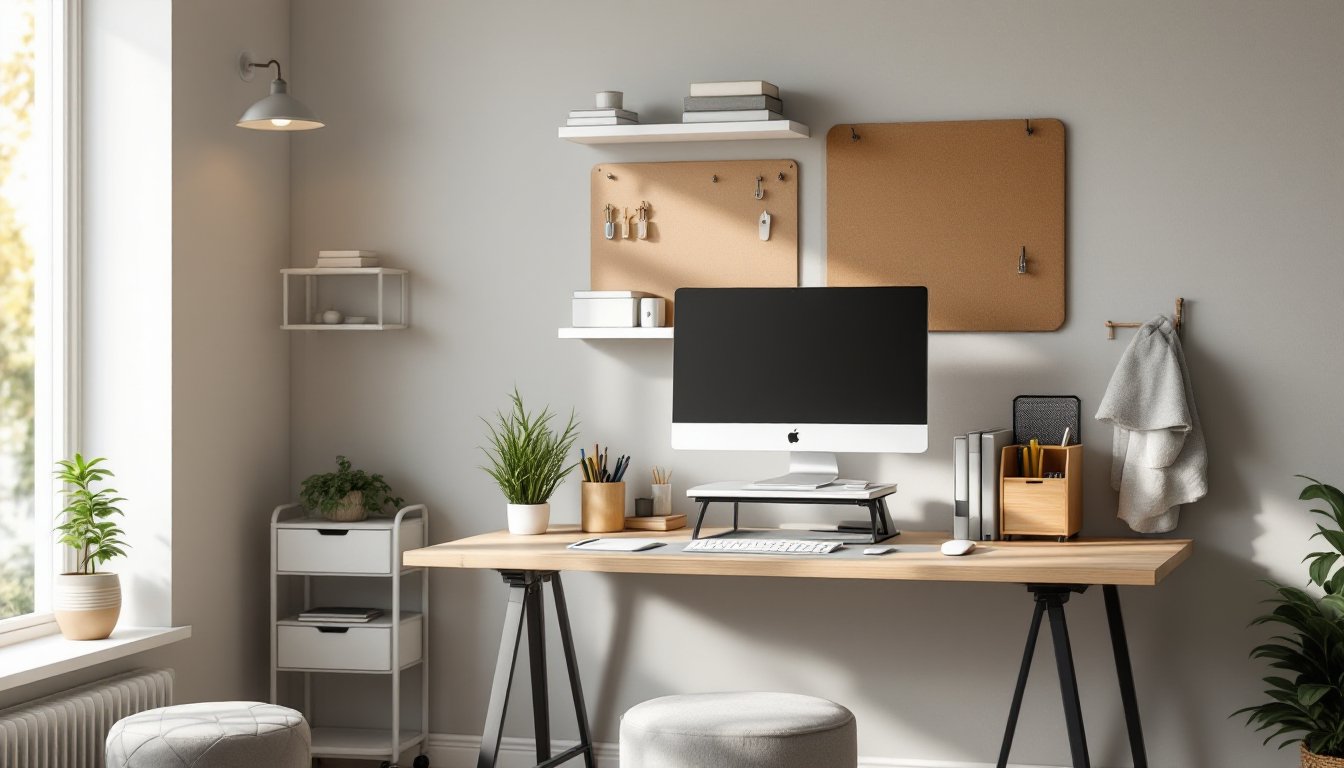
Wall-mounted storage removes clutter from floor and desk surfaces while keeping essentials within arm’s reach. Floating shelves are the simplest option, install them with heavy-duty brackets rated for at least 50 pounds if storing books or binders. Space them 12-16 inches apart for standard file boxes and reference materials.
Pegboard systems offer flexibility that fixed shelving can’t match. A 4×8-foot pegboard panel (¼-inch tempered hardboard) mounted with furring strips creates an entire wall of customizable storage. Use metal hooks, bins, and shelves to hold everything from scissors to charging cables. The beauty is reorganizing without new holes, just move the hooks.
Wall-mounted file holders work well for active projects. Look for steel mesh or wire designs that mount with two screws into wall studs. Position them 48-60 inches from the floor, high enough to clear desk height but low enough to grab folders without standing.
For deeper storage, install wall-mounted cabinets with doors to hide supplies that don’t need daily access. Standard upper cabinets from kitchen suppliers work perfectly and come in 12, 15, 18, 24, 30, and 36-inch widths. Mount them 18-24 inches above desk height for comfortable reach. Use cabinet-grade plywood models rather than particleboard, they hold weight better and last longer.
Track systems like slat-wall panels or aluminum tracks accept modular components. The tracks mount horizontally across the wall, and accessories slide in anywhere along the length. This approach shines in small workspaces where needs change frequently.
Desk Organization Systems for Daily Essentials
Desktop clutter kills focus. A solid organization system keeps frequently used items accessible without covering the work surface.
Desk drawer organizers prevent the junk drawer phenomenon. Modular drawer dividers made from bamboo or plastic create designated zones for pens, clips, sticky notes, and chargers. Measure drawer interior dimensions first, most systems work in drawers 12-18 inches wide and 2-3 inches deep.
Desktop risers with storage underneath serve double duty. Monitor stands with drawers or shelves raise screens to proper ergonomic height (top of screen at or slightly below eye level) while creating 3-4 inches of storage underneath for keyboards, notebooks, or small supplies.
Cable management stops the desk-spaghetti problem. Use adhesive cable clips along the desk’s rear edge or underside to route power and data cables. For multiple cables, sleeve them together with split wire loom or braided cable wrap. Secure loose coils with velcro ties, not zip ties, velcro allows changes without cutting.
Desktop organizers should match workflow, not trends. A vertical file sorter handles active paperwork better than stacking trays for most people. Pen cups and small parts organizers work when placed within the primary reach zone (the arc traced by a relaxed arm without leaning).
Pull-out keyboard trays free up desk surface while keeping the keyboard at proper height (elbows at 90-110 degrees when typing). Install them 26-28 inches from the floor for most users. Many include a mouse platform, check that it’s large enough for actual mouse movement.
Hidden Storage Ideas for a Minimalist Aesthetic
Hidden storage keeps offices looking clean while maintaining full functionality. The key is accessibility, storage nobody uses because it’s inconvenient defeats the purpose.
Built-in desk drawers are the foundation. If building a desk from scratch, incorporate file-depth drawers (at least 15 inches deep) for hanging folders. Use full-extension drawer slides rated for 75-100 pounds, the cheap slides that only open partway are frustrating and fail quickly.
Ottoman storage hides bulky items like printer paper or seasonal files. Look for models with removable lids rather than hinged tops, they’re more versatile. A cube ottoman 18 inches square holds about 2 cubic feet of storage.
Behind-door storage works on office doors or closet doors. Over-the-door organizers with pockets hold supplies without drilling. For permanent installation, mount shallow cabinets or cork boards on the door’s interior. Just check door clearance, adding 1-2 inches of thickness affects swing radius.
Hollow furniture like storage benches or credenzas tucks away less-used items. When shopping, verify interior dimensions, advertised storage capacity often includes unusable space around dividers. Open the doors and measure the actual usable volume.
Many professionals carry out organizational strategies that prioritize concealed storage for visual calm. Under-desk cabinets on casters roll out for access, then tuck back under the work surface. Look for models 16-20 inches deep that won’t interfere with leg room.
Multi-Functional Furniture With Built-In Storage
Furniture that serves multiple purposes makes sense in any office, but especially in tight quarters. Evaluate pieces on storage capacity, build quality, and whether they actually fit the workflow.
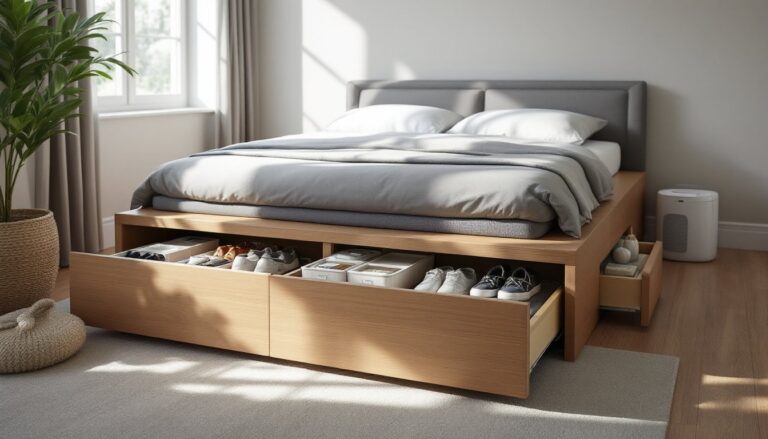
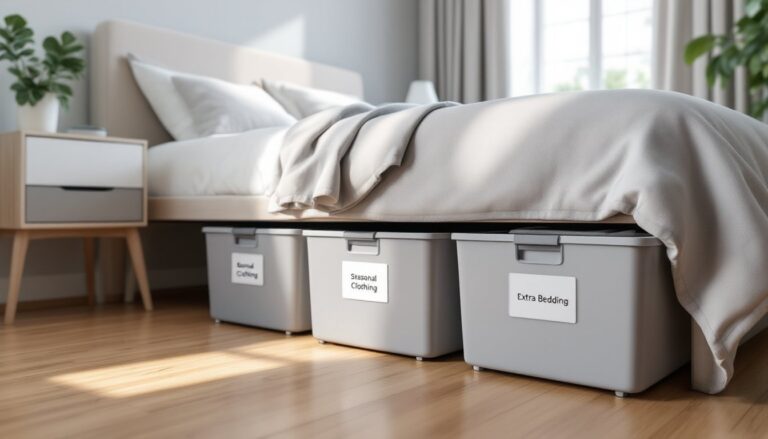
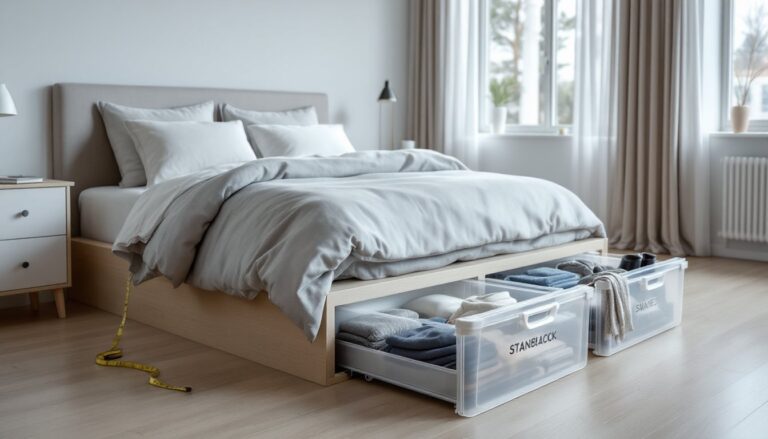
Storage beds in home offices that double as guest rooms hide linens and out-of-season items. Platform beds with hydraulic lift mechanisms provide access to the entire under-bed area, typically 8-12 inches of vertical space running the mattress length and width. That’s roughly 30-40 cubic feet of storage in a queen bed.
Desk-bookshelf combinations integrate work surfaces with shelving in one footprint. L-shaped configurations work well in corners, using space that’s otherwise awkward. Check shelf depth, 10-12 inches holds most books and binders, while 8 inches only works for paperbacks.
File cabinet seats combine seating with lateral file storage. Most hold letter or legal hanging files in two to three drawers. Get metal construction, not laminated particleboard, file cabinets take abuse and cheaper materials don’t last. Cushioned tops make them usable as extra seating.
Murphy desks fold against the wall when not in use, similar to Murphy beds. The desktop typically measures 36-48 inches wide and 18-24 inches deep when lowered. Interior shelving stores supplies that stay put when folding. This setup works for offices that convert to other uses after hours.
Those working with limited floor space often explore compact organization methods that keep everything accessible. Storage cubes with fabric bins create modular systems that adapt as needs change. Standard cubes measure 13 inches square and accept matching bins.
DIY Office Storage Projects on a Budget
Building custom storage costs less than buying pre-made units and delivers exactly the dimensions needed. Basic carpentry skills and common tools handle most projects.
Floating desk with shelves: Mount a ¾-inch plywood work surface (finished size 48×24 inches) to wall studs with heavy-duty brackets. Add 1×10 or 1×12 boards as shelves above, supported by L-brackets every 16 inches. Total material cost runs $60-80. Apply polyurethane or paint for finish, three coats minimum.
PVC pipe organizers manage desk supplies for under $15. Cut 1-inch or 1.5-inch PVC pipe into 4-6 inch lengths with a hacksaw or PVC cutter. Sand cut edges smooth. Glue sections together with PVC cement in whatever configuration fits the desk. Spray paint before using.
Crate shelving repurposes wooden crates into modular storage. Stack and secure them with L-brackets or wood screws through adjoining sides. Alternatively, mount individual crates to the wall as shadow boxes. Sand rough edges and apply stain or paint. Crates typically measure 18x12x9 inches and cost $8-12 each at craft stores.
Tension rod dividers create vertical filing inside deep drawers. Install small tension rods (the type used for cafe curtains) front-to-back inside desk or cabinet drawers. Slide file folders or notebooks between rods to stand them vertically. No tools required, tension holds everything.
Creative solutions using affordable materials appear in budget-friendly storage hacks that adapt retail components. Pegboard accessories can be DIY’d from dowels, small containers, and bent wire, drill holes to match pegboard spacing (1 inch on center).
Small Office Storage Strategies That Save Space
Small offices demand efficiency. Every item needs a designated spot, and that spot should make sense for how the item is used.
Corner units capture dead space. Corner shelves, either wall-mounted or floor-standing, fit where rectangular furniture can’t. Five-shelf corner units typically measure 24-30 inches per side and stand 60-72 inches tall. They hold surprising volume in a small footprint.
Nesting furniture stacks when not in use. Nesting tables or stools tuck under desks or into corners, then pull out when needed for extra work surface or seating. Measure stored height, some nesting sets are too tall to fit under standard desks (29-30 inches high).
Slim rolling carts slide into narrow gaps between furniture. Look for carts 8-12 inches wide with three to four shelves. Use them for printer supplies, reference materials, or daily paperwork. Models with locking casters stay put when needed but roll to wherever the work happens.
Over-desk storage shouldn’t block light but can use upper wall space. Install narrow shelves 12 inches above the desk surface for frequently referenced books or binders. Keep depth to 6-8 inches so items don’t loom over the workspace.
Offices managing minimal square footage benefit from space-efficient layouts that prioritize functionality. Magnetic strips mounted on walls or cabinet sides hold scissors, small tools, and metal containers. Adhesive hooks inside cabinet doors organize measuring tools, cables, or bags.
Workspace efficiency improves with practical storage approaches tailored to available space. Desktop hutches add vertical storage without consuming extra floor area, they sit directly on the desk surface and typically add 24-36 inches of height with small shelves and cubbies.
Stackable bins with lids create vertical storage on shelves or floors. Clear bins show contents without opening. Standard sizes, 12-quart and 18-quart, handle most office supplies. Label everything, even clear containers.
Conclusion
Office storage works when it matches how the space is actually used. Vertical solutions reclaim walls, modular systems adapt to changing needs, and hidden storage maintains clean sightlines. The best approach combines purchased and DIY solutions based on budget, skill level, and specific requirements. Start with one problem area, the desk surface, a messy drawer, or piles on the floor, and solve it with the right storage strategy.